
Table of Contents
ToggleThe bathroom is often overlooked when it comes to plant displays, yet it’s one of the most practical rooms in the house for greenery. High humidity, consistent moisture from showers, and warm air create ideal conditions for many plant species. Adding plants to a bathroom isn’t just about aesthetics, it improves air quality, reduces mold and mildew through natural transpiration, and creates a spa-like atmosphere for daily routines. Whether someone has a bright window or works with a dimly lit vanity, there’s a plant option that fits the space. This guide covers everything needed to design and maintain a thriving bathroom plant collection.
Key Takeaways
- A bathroom with plants improves air quality by filtering airborne toxins while reducing mold and mildew through natural transpiration.
- Pothos, philodendrons, and snake plants are the most forgiving choices for low-light bathrooms since they tolerate irregular watering and humidity fluctuations.
- Strategic placement matters more than quantity—trailing plants belong on high shelves or hanging mounts, while tall varieties work best on floors or low shelves to avoid cluttering the space.
- Bathroom humidity is beneficial but doesn’t eliminate the need for proper watering; check soil moisture before watering since humid foliage still dries slower than the soil beneath.
- Running the exhaust fan during and 20–30 minutes after showers balances the humidity plants need with airflow necessary to prevent mold on soil and leaves.
- Start with one or two forgiving species like pothos or snake plants to build confidence, then expand your bathroom plant collection as you master basic care.
Why Plants Belong in Your Bathroom
Bathrooms are humid environments, and humidity is what plants crave. When a shower runs, it releases moisture into the air, exactly what most houseplants need but rarely get in living rooms or bedrooms. That steady humidity reduces the frequency of watering and keeps foliage from drying out, meaning less daily maintenance.
Beyond watering convenience, plants actively improve bathroom air. They absorb carbon dioxide and release oxygen while filtering airborne toxins like benzene and formaldehyde from cleaning products and building materials. In a small, enclosed space like a bathroom, a few well-placed plants make a measurable difference in air quality.
Plants also address a common bathroom problem: mold and mildew. While ventilation (a properly functioning exhaust fan) is the first line of defense, plant transpiration, the process where plants release water vapor through their leaves, helps control moisture levels. This creates less favorable conditions for mold growth on walls and grout.
Finally, a green bathroom feels like a retreat. Instead of staring at tile and mirrors during morning routines, homeowners wake up to living, growing things. It’s a simple shift that makes daily rituals feel intentional and calm.
Best Bathroom Plants for Low Light and Humidity
Not every bathroom has a window, and even those with southern or eastern exposure often sit far from the sink or shower where most people want plants. The good news: the best bathroom plants actually thrive in low light and humidity.
Pothos and Philodendrons
Pothos (also sold as devil’s ivy) and heart-leaf philodendrons are nearly identical in care and are the most forgiving bathroom plants available. Both tolerate low light, irregular watering, and temperature fluctuations. They grow as trailing vines, making them ideal for shelves above the toilet, hanging planters above the sink, or mounted on the wall using simple wooden brackets.
Pothos has slightly smaller, arrow-shaped leaves and grows faster than philodendrons, though both can reach 3 to 5 feet if given support. They prefer to dry out slightly between waterings, stick a finger into the soil about an inch deep: if it feels moist, skip watering. In a bathroom, this might mean watering every 7 to 10 days, depending on humidity levels and pot drainage.
Both plants root easily in water if someone wants to propagate them. Cut 4 to 6 inches of vine, place it in a glass of water on a windowsill, and roots develop in 2 to 3 weeks. Potting soil should be standard indoor mix, nothing special required.
Snake Plants and Ferns
Snake plants (also called Sansevieria or mother-in-law’s tongue) are architectural and nearly indestructible. Tall, upright varieties add visual interest, while short rosette types fit small shelves. They actually prefer drier conditions than pothos, so they’re best placed on a shelf away from the shower splash zone where they’re less likely to receive constant misting.
Snake plants are extremely low-light tolerant and store water in their leaves, so they forgive occasional neglect. Water every 3 to 4 weeks or when the pot feels completely dry. They’re also excellent air filters, ranking among the most efficient plants for removing toxins.
Ferns, especially Boston ferns and maidenhair ferns, are the divas of the bathroom plant world, but they’re worth it. They love humidity and actually prefer the moisture-rich air near a shower. Place them where they’ll get misting but not direct spray. They need consistent (not soggy) soil and benefit from a pebble tray filled with water beneath the pot to boost humidity.
Maidenhair ferns are delicate and require more attention, while Boston ferns are tougher. Both reach 1 to 2 feet and work well on a corner shelf or windowsill. If fronds brown at the tips, it’s usually low humidity, mist them twice a week or move them closer to the shower.
Other solid bathroom choices include ZZ plants (extremely low-maintenance, glossy foliage), cast-iron plants (truly bulletproof), and lucky bamboo (if kept in water in a vase). Each tolerates low light and humidity swings.
Designing Your Bathroom Plant Layout
Placement matters more than quantity. A single well-positioned pothos vine can transform a bathroom: too many plants crammed into corners look cluttered and create watering headaches.
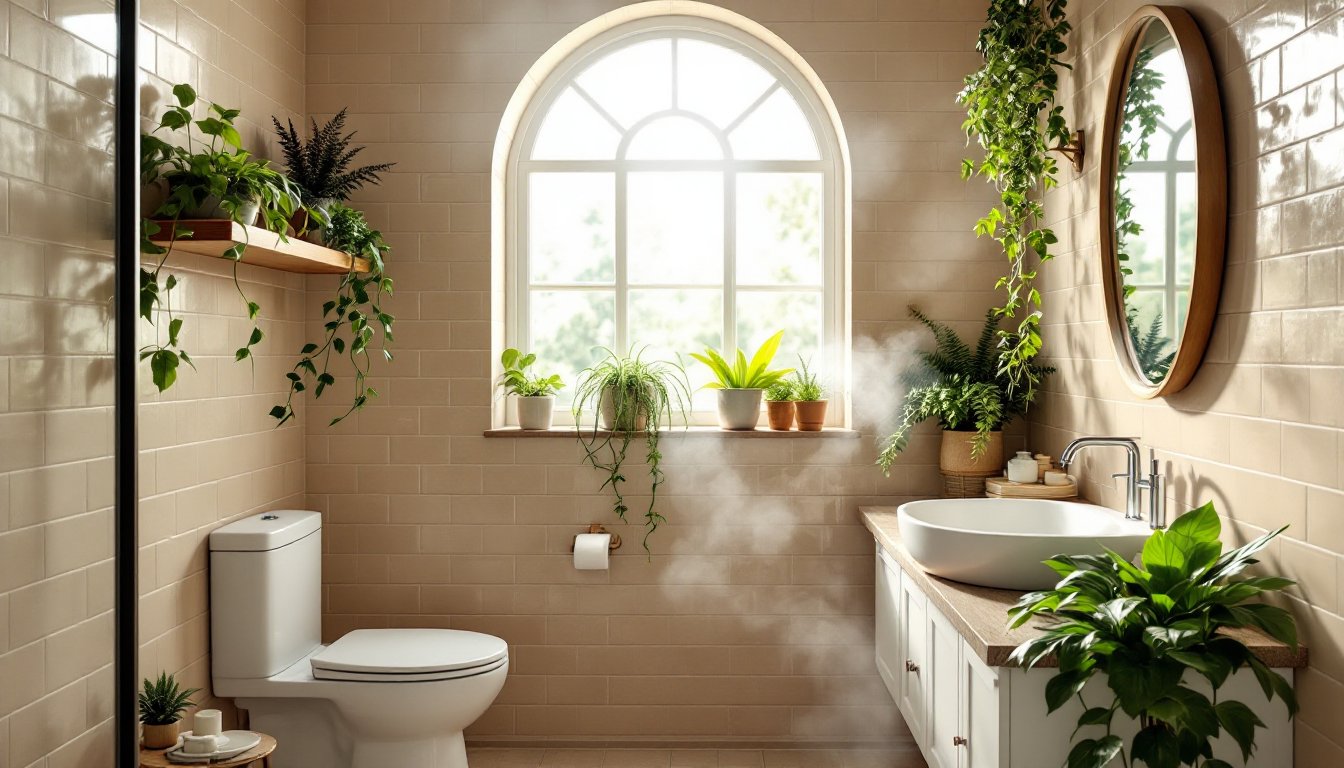
Start by identifying available surfaces: shelves above the toilet tank, open shelving above or beside the sink, window sills (if available), and wall space for hanging planters or mounts. Tall varieties like snake plants and ferns work best on the floor or low shelves where they won’t tip into the sink. Trailing plants like pothos and philodendrons belong on high shelves or hanging mounts where vines can cascade without blocking views or access to essentials.
Use pots with drainage holes and matching saucers to catch water. Standard terracotta pots work, but modern ceramic or concrete options fit bathrooms with different decor styles. Ceramic is less porous than terracotta, so it retains moisture longer, adjust watering frequency accordingly. For a minimalist look, group similar-sized pots on a single shelf: for eclectic bathrooms, mix heights and colors.
Consider traffic flow and daily routines. Plants near the shower face frequent misting and splashing, place water-loving ferns there. Plants near the toilet tank experience less direct moisture, snake plants and pothos handle this fine. Keep delicate foliage away from cleaning sprays and towel racks where they might get brushed constantly.
Lighting affects placement too. Even low-light plants need some indirect light. If the only option is a corner with almost no natural light, use a small LED grow light positioned 6 to 12 inches above the plant. Bathroom-specific models exist, though a standard daylight-spectrum bulb (5000K color temperature) works fine. Run it 8 to 10 hours daily via a simple timer.
Grouping plants visually, creating a small “plant corner” on one shelf rather than scattering them, makes maintenance easier and looks intentional. It also helps concentrate humidity where plants congregate.
Essential Care Tips for Bathroom Greenery
Bathroom humidity is a gift, but it doesn’t eliminate basic plant care.
Watering is the most common mistake. Humidity doesn’t mean the soil stays moist: it means foliage dries slower. Check soil moisture before watering, pothos and philodendrons should dry slightly between waterings. Ferns need consistently moist soil but not waterlogged. Snake plants and ZZ plants prefer to dry out completely. Most bathroom plants need watering every 5 to 10 days during warm months and every 10 to 14 days in winter. Always use pots with drainage holes: sitting water causes root rot, which no humidity can fix.
Ventilation is essential. Run the bathroom exhaust fan during and for 20 to 30 minutes after showers to remove excess moisture. Without airflow, humidity breeds mold on soil surfaces and leaf undersides. Open the door periodically to let fresh air circulate. This balances the humidity plants love with the airflow they need to stay healthy.
Fertilizing is minimal. Plants grow slower in low light and don’t need heavy feeding. Apply a diluted liquid fertilizer (half-strength) once a month during spring and summer, then stop in fall and winter. Overfertilizing causes salt buildup in soil and leaf burn, which is harder to fix than underfeeding.
Cleaning foliage removes dust and improves photosynthesis. Wipe leaves monthly with a soft, damp cloth. Don’t use commercial leaf shine products: they clog pores. Plain water works perfectly and keeps plants looking vibrant.
Pest prevention is easier than treatment. Bathroom humidity sometimes attracts mites and mealybugs, especially on ferns and pothos. Inspect new plants before bringing them home, isolate any infested plant, and treat with neem oil spray or insecticidal soap if pests appear. Most bathroom plants don’t encounter pests if well-maintained and properly ventilated.
Seasonal adjustments are necessary. Winter means shorter days and less growth: reduce watering frequency and skip fertilizer. If the bathroom lacks warm humidity in winter (or uses harsh heating), move ferns away from heating vents and mist them more frequently. Spring and summer bring vigorous growth, watch for faster drying soil and adjust watering accordingly.
Conclusion
A bathroom filled with plants is achievable for any skill level. Start with one or two forgiving species like pothos or snake plants, nail watering and placement, then expand. The bathroom’s natural humidity and warm air do half the work. Within weeks, most homeowners notice fresher air, a calmer start to their day, and the quiet satisfaction of keeping living things thriving in an unexpected space. It’s a small project with meaningful returns.