
Table of Contents
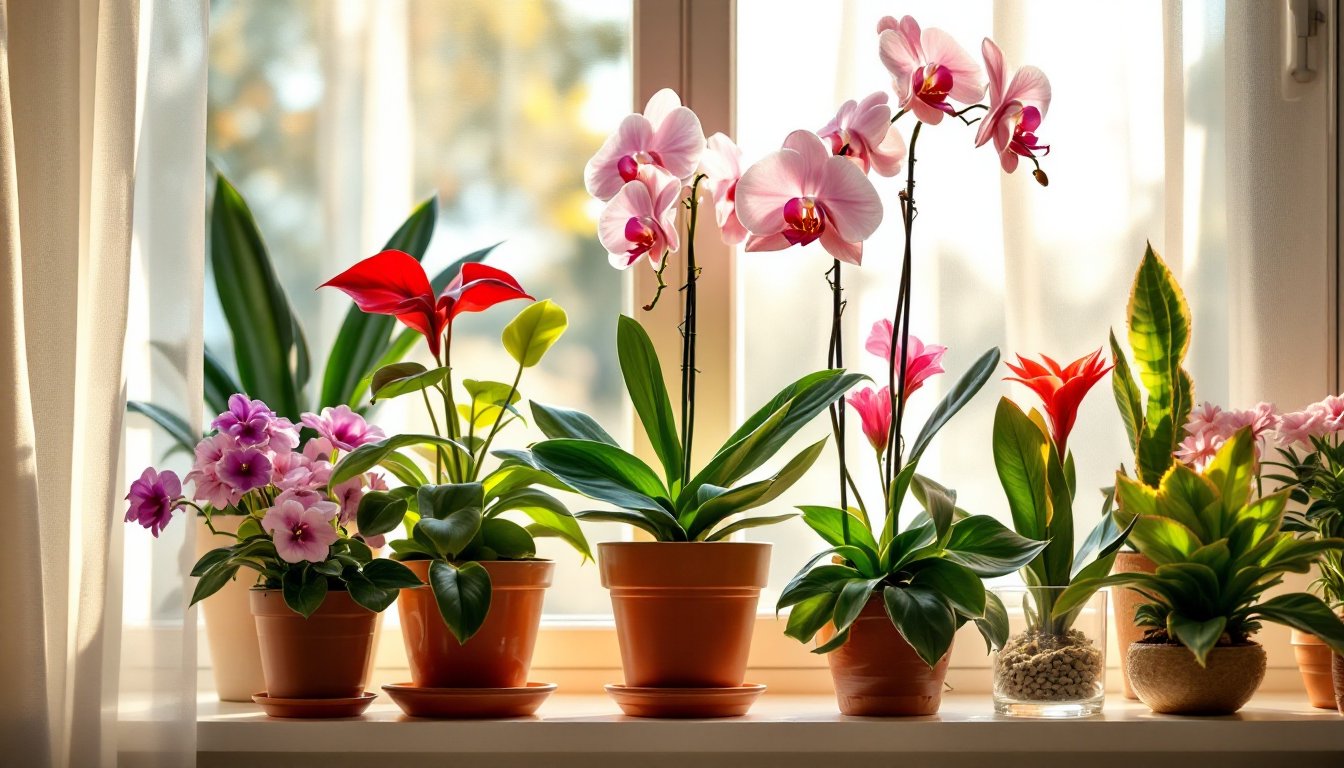
ToggleMost people bring home a thriving blooming houseplant from the nursery, expecting months of colorful flowers. Then, weeks later, the blooms fade, and don’t come back. Sound familiar? The truth is, getting indoor plants to flower indoors requires more than just watering and hope. Unlike outdoor gardens, indoor environments demand precise attention to light, temperature, humidity, and nutrients. The good news: once a gardener understands what triggers flowering, coaxing blooms from indoor plants becomes manageable, even for beginners. This guide covers the essential conditions that make house plants bloom reliably, plus practical tips for choosing beginner-friendly flowering varieties that thrive on a typical windowsill.
Key Takeaways
- Blooming house plants require 6 to 8 hours of bright, indirect light daily—the most critical factor for triggering flowers indoors.
- Choose beginner-friendly blooming house plants like African violets, wax begonias, or Phalaenopsis orchids to establish success before expanding your collection.
- Use a bloom-focused fertilizer (high phosphorus, low nitrogen) at half-strength every 2 to 3 weeks during spring and summer to encourage flowering without excess leafy growth.
- Maintain daytime temperatures between 65 and 75°F with a 10-degree nighttime drop, and increase humidity to 50-70% by grouping plants or using pebble trays.
- Rotate potted blooming house plants weekly and refresh soil annually to ensure even light exposure and prevent nutrient lockup that inhibits blooming.
Why Your House Plants Aren’t Blooming
The most common reason blooming houseplants fail to flower indoors boils down to insufficient light. Indoor environments, especially homes with northern-facing windows or rooms set back from windows, rarely deliver the 6 to 8 hours of bright, indirect light that flowering plants crave. Windowsill placement matters enormously: a south-facing sill beats a desk three feet away by orders of magnitude.
Temperature fluctuations and inconsistent watering also sabotage flowering. Many tropical flowering houseplants evolved in stable climates and struggle when exposed to heating vents, cold drafts, or erratic moisture swings. Also, over-fertilizing with high-nitrogen formulas pushes plants toward leafy growth rather than flowers. Plants fed too much nitrogen prioritize stems and foliage over reproductive structures.
Another overlooked culprit: plants that aren’t mature enough to bloom. Orchids, for instance, may need three to five years before they produce flowers, no matter how ideal the conditions. Finally, pest infestations and diseases sap energy plants would otherwise direct toward flowering.
Light, Temperature, and Humidity: The Blooming Essentials
Providing the Right Light Conditions
Light is the single biggest lever when troubleshooting non-blooming houseplants. Most flowering indoor plants need 6 to 8 hours of bright, indirect light daily. South-facing windows deliver the most reliable light: east-facing windows provide gentle morning sun: north-facing windows usually won’t cut it for bloomers. West-facing windows can work but risk harsh afternoon sun that scorches sensitive foliage.
If your home lacks adequate window light, a grow light becomes worth the investment. LED grow lights (40–60 watts for a small collection) sit 6 to 12 inches above plants and run 12 to 14 hours daily. They’re energy-efficient and won’t overheat delicate flowers. Seedlings and low-light plants benefit most: established bloomers on a bright windowsill often thrive without supplemental lighting.
Rotate potted plants every week or two so all sides receive light equally. Uneven light creates lopsided growth and fewer blooms on the shaded side.
Managing Temperature and Humidity
Most flowering houseplants prefer daytime temperatures between 65 and 75°F, with a 10-degree drop at night. This temperature swing, mimicking outdoor day-night cycles, actually triggers flowering in many species. Keep plants away from heating vents, radiators, and drafty windows in winter. A few feet of distance from an air conditioning vent helps in summer.
Humidity matters more than many gardeners realize. Tropical flowering plants like orchids, anthuriums, and begonias thrive at 50 to 70 percent humidity. Most homes hover around 30 to 40 percent, especially in winter when heating runs constantly. Group plants together to create a micro-humid zone, or place pots on pebble trays filled with water (keep pots above the water line). A small humidifier in a plant-heavy corner also works without overdoing moisture around the rest of the home.
Mist foliage only if the plant tolerates it (fuzzy-leaved African violets hate water on leaves: orchids welcome misting on aerial roots). Always use room-temperature, filtered water for misting to avoid mineral deposits.
Feeding Your Plants for Blooms
Fertilizer formulations are labeled with three numbers: nitrogen (N), phosphorus (P), and potassium (K). A bloom-focused formula, marked something like 10-30-20, supplies extra phosphorus and potassium while keeping nitrogen modest. These nutrients support flower formation and root development without pushing excessive vegetative growth.
Apply bloom fertilizer at half-strength every two to three weeks during the growing season (typically spring and summer). Stop feeding in fall and winter when most houseplants enter dormancy or slow growth. Over-fertilizing causes salt buildup in soil, burning roots and actually reducing flower production. If in doubt, feed less often rather than more: a weak regular dose beats a strong monthly blast.
Organic options, fish emulsion, seaweed extract, or worm castings, work well for those preferring natural inputs. Liquid fertilizers act faster than granular or slow-release pellets, which is handy if a plant is clearly struggling to bloom.
One practical tip: refresh potting soil annually (top 2 to 3 inches) or repot entirely every two years. Fresh soil replenishes organic matter and prevents nutrient lockup.
Best Blooming House Plants for Beginners
Orchids get a bad rap for being finicky, but many varieties (especially Phalaenopsis moth orchids) bloom reliably with bright, indirect light, good air circulation, and weekly watering. They flower for weeks or even months once established.
African violets produce cheerful purple, pink, or white blooms year-round if kept on a bright shelf away from direct sun. They prefer consistent moisture and high humidity, but don’t require special equipment, just keep foliage dry to prevent leaf spots. This flowering plant thrives indoors where outdoor gardens can’t compete.
Begonias, both wax and tuberous types, flower prolifically and tolerate lower light than many bloomers. They’re compact enough for small spaces and come in vibrant reds, pinks, and oranges. As a bonus, begonias work as indoor flower options for homes without extensive natural light sources.
Anthuriums (flamingo flowers) produce waxy, heart-shaped blooms in red, pink, or white. They prefer warmth (65°F minimum), indirect bright light, and moist (not soggy) soil. Unlike delicate cut flowers, anthuriums bloom for months right on the plant.
Geraniums, tender varieties bred for indoors, not frost-hardy outdoor geraniums, flower reliably on a sunny windowsill with moderate watering. They’re nearly impossible to kill and produce fragrant blooms spring through fall.
Schlumbergera (Christmas cactus) blooms pink or red around the holidays if given cool nights (50 to 60°F) and reduced watering in fall. Once the trigger period passes and blooms emerge, return to normal care. This low-maintenance succulent rewards a bit of seasonal attention with showy flowers.
All these plants pair well with non-flowering indoor plants and foliage houseplants to create balanced, visually interesting indoor gardens. Mixing bloomers with green foliage plants also helps beginners fine-tune light, humidity, and watering for multiple plant types simultaneously.
Conclusion
Getting houseplants to bloom indoors comes down to three fundamentals: adequate bright light, stable temperature with slight seasonal variation, and balanced nutrients favoring phosphorus over nitrogen. Start with beginner-friendly bloomers like African violets or wax begonias, dial in the conditions, and expand your flowering plant collection once success feels repeatable. Most flowering houseplants respond within weeks to better light and proper feeding, proof that indoor gardening isn’t mysterious, just methodical.