
Table of Contents
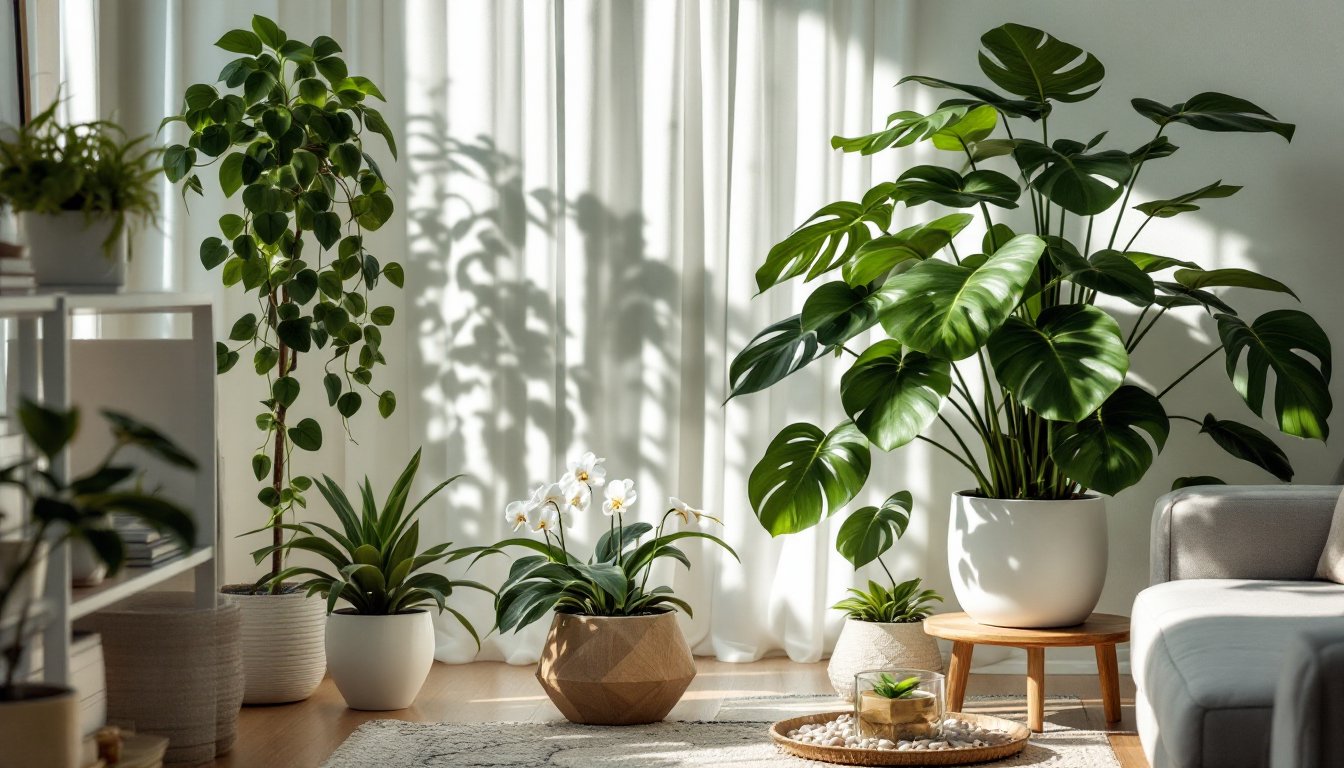
ToggleIndoor plants have moved beyond the windowsill trinket phase into genuine home essentials. Whether someone’s redesigning a living room or just looking to breathe life into a dull corner, beautiful indoor plants deliver both aesthetic appeal and real-world benefits, better air quality, mood boosts, and a sense of accomplishment. The trick is choosing plants that fit a lifestyle, not fighting them uphill. This guide covers the most forgiving, stunning indoor plants that even beginners can grow successfully, plus practical tips for setting up an environment where they’ll actually thrive. No green thumb required.
Key Takeaways
- Beautiful indoor plants improve both home aesthetics and air quality by filtering toxins like formaldehyde while adding visual interest and intentionality to any room.
- Forgiving beginner-friendly plants like Monstera, Pothos, and snake plants thrive with minimal care, tolerating low light and irregular watering while delivering stunning tropical and modern looks.
- Bright, indirect light is the key environmental factor for most beautiful indoor plants, along with well-draining soil, proper drainage holes, and a simple watering method—checking soil moisture with your finger rather than following rigid schedules.
- Flowering plants like orchids and peace lilies add seasonal color and elegance while remaining low-maintenance when placed in appropriate light conditions and humidity levels.
- Tending to beautiful indoor plants builds a rewarding routine that reduces stress, boosts mood, and creates a measurable sense of responsibility without requiring a green thumb.
- Group plants together to create a microclimate with natural humidity, rotate them every few weeks for even growth, and fertilize during spring and summer for optimal results.
Why Indoor Plants Make Your Home Come Alive
Bringing greenery indoors does more than fill space, it transforms the feel of a room. Natural elements draw the eye, soften hard edges, and create visual interest that bare walls simply can’t match. A well-placed plant in a corner or on a shelf changes the whole dynamic, giving a sense of intentionality and care to the space.
Beyond looks, indoor plants actively improve air quality by absorbing carbon dioxide and releasing oxygen. They’re particularly effective at filtering out toxins like formaldehyde and benzene, which linger in new furniture and cleaning products. Studies consistently show that living plants reduce stress and boost mood, something especially valuable in spaces where people spend hours working or relaxing.
There’s also a practical angle: tending to plants builds a routine and creates a measurable sense of responsibility and growth. Watching something respond to care, month after month, appeals to almost everyone. The key is starting with forgiving species that won’t punish a missed watering or inconsistent light.
Best Low-Maintenance Beautiful Indoor Plants
Monstera Deliciosa and Pothos
Monstera Deliciosa (Swiss cheese plant) and Pothos (devil’s ivy) are the workhorses of indoor gardening. Both tolerate low light, irregular watering, and neglect without complaint, and they look sophisticated doing it. Monstera’s large, split leaves create a lush tropical vibe: Pothos trails elegantly from shelves or climbs a moss pole with minimal fuss.
Monstera prefers bright, indirect light and will grow faster in it, but survives in offices and north-facing rooms. Let the soil dry slightly between waterings, usually every 7–10 days. The catch: it gets big. A young Monstera in a 6-inch pot becomes a substantial floor plant within 2–3 years, so plan for space.
Pothos is nearly bulletproof. It grows in nearly any light (though bright indirect light accelerates growth), and you can water it on a loose schedule. Both propagate easily from cuttings, so a single plant quickly becomes several, great for gifting or spreading around the house.
Snake Plants and ZZ Plants
Snake plants (Sansevieria) and ZZ plants are the desert dwellers of the indoor world. They’re stunning in modern spaces, tall, structured, architectural, and genuinely hard to kill. Both thrive in medium to bright light but adapt to low light. Watering is sparse: once every 3–4 weeks for snake plants, every 2–3 weeks for ZZ plants in spring and summer, less in winter.
Snake plants are nearly immune to pests and require minimal attention beyond water. Their sword-like leaves come in variegated shades (solid green, yellow-edged, white-striped) that suit any décor. ZZ plants grow slower but develop thick, glossy leaflets on compound stems that look striking next to mid-century furniture or in minimalist spaces.
Both are pet-safe in the sense they’re non-toxic to cats and dogs (though not edible). They’re also excellent air purifiers and genuinely improve indoor air quality over time.
Flowering Indoor Plants for Color and Elegance
When foliage alone isn’t enough, flowering plants add color and seasonal interest. Orchids remain the gold standard, available in nearly every color, they bloom for months and look premium without being fussy if conditions match their needs. Most thrive in bright, indirect light near an east- or west-facing window and prefer humidity (a pebble tray with water underneath the pot helps). Water roughly weekly, letting roots dry slightly between waterings. Repot every 2–3 years in orchid bark, not regular potting soil.
Phalaenopsis orchids (moth orchids) are the most forgiving variety. They rebloom reliably indoors and tolerate typical home conditions. Other options: African violets offer compact, colorful blooms and thrive under bright artificial light, ideal for desks or windowless bathrooms. Kalanchoe and Begonias provide long-lasting color with minimal fuss.
Peace lilies are worth mentioning for their elegant white flowers and ability to signal when thirsty (they droop dramatically, then perk back up hours after watering). They prefer medium to low light and high humidity, making them perfect for bathrooms. The blooms appear naturally with minimal intervention, and the plant itself is a reliable air-purifier.
Creating the Perfect Environment for Your Indoor Garden
Even the toughest plants perform better in the right setup. Light is the primary factor. Most beautiful indoor plants thrive in bright, indirect light, the kind that filters through sheer curtains or bounces off surfaces. South-facing windows offer the most light: north-facing rooms are shadier. East and west exposures work well for most plants, though west-facing windows can get hot and scorch delicate leaves in summer.
Watering is personal to each plant and home humidity. A reliable method: stick a finger an inch into the soil. If it’s dry, water until it drains from the bottom. If moist, wait. This beats rigid schedules, which fail when seasons change or air conditioning kicks in. Water that’s been left out overnight (letting chlorine evaporate) is gentler than straight tap water, though most plants tolerate tap water fine.
Potting soil matters too. Use well-draining potting mix, not garden soil, which compacts indoors and kills roots. Pots should have drainage holes, non-negotiable. A pot just slightly larger than the root ball (typically 1–2 inches wider than the current pot) prevents water from pooling and rotting roots.
Humidity helps, especially in heated winter homes. Grouping plants together creates a microclimate: misting once or twice weekly supplements: a pebble tray (a shallow tray with pebbles and water, with the pot sitting on top but not touching water) raises humidity around the plant without waterlogging roots. Rotating plants every few weeks ensures even growth. Feed during growing season (spring and summer) with diluted liquid fertilizer every 2–4 weeks, most plants slow down in fall and winter and need less food.
Conclusion
Beautiful indoor plants aren’t a luxury, they’re an accessible way to improve home aesthetics, air quality, and daily mood. Starting with forgiving species like Monstera, Pothos, snake plants, and ZZ plants removes the pressure. Adding flowering specimens like orchids or peace lilies layers in color. The real magic happens when someone realizes they can nurture something living, watch it grow, and create a greener, healthier home in the process. Start simple, pay attention to light and water, and let the plants guide the way.