
Table of Contents
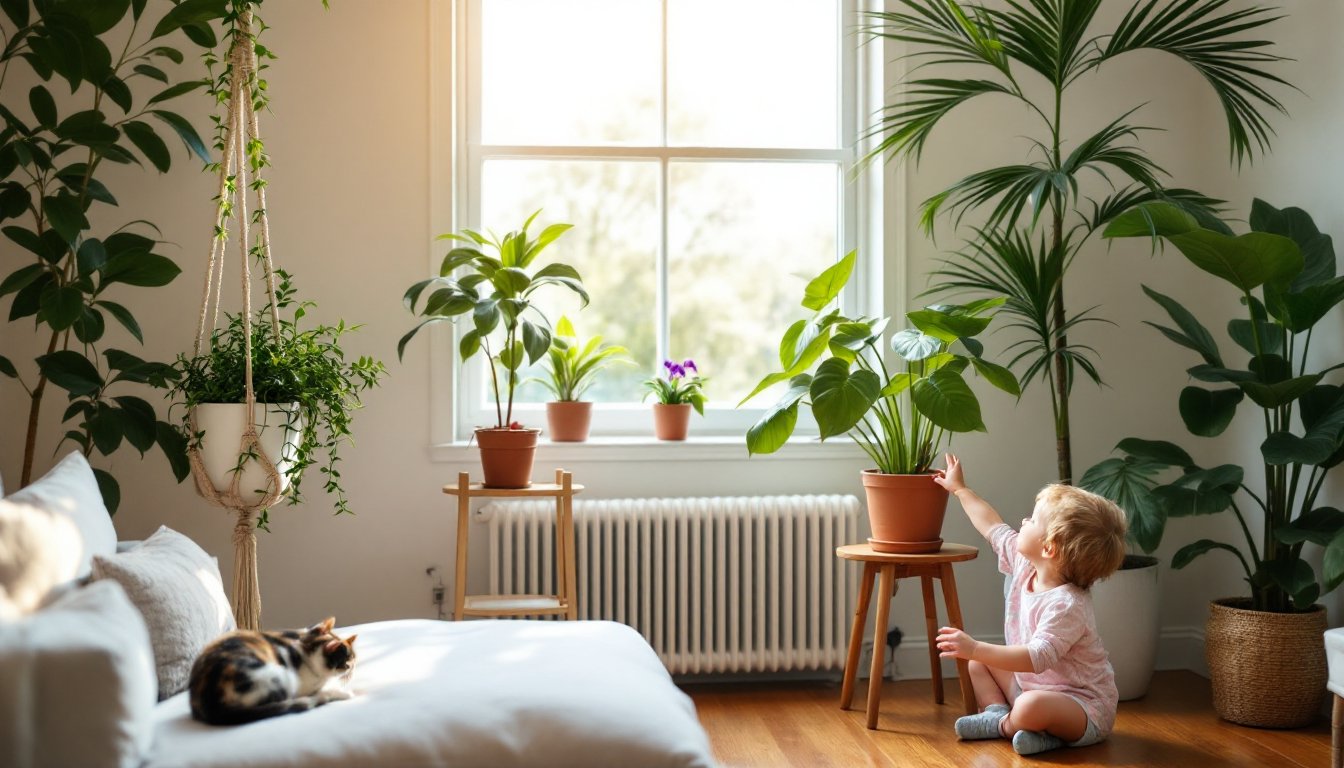
ToggleBringing greenery indoors adds life to a space, but not all plants are created equal, especially when kids and pets are in the mix. Many popular houseplants contain compounds that can cause mild to serious health issues if ingested. The good news? Plenty of beautiful, low-maintenance non-toxic indoor plants thrive in home environments without the risk. This guide walks through the best safe options for various light conditions, care requirements, and household situations. Whether someone’s concerned about a curious toddler, a plant-loving cat, or simply wants peace of mind, finding non-toxic plants is absolutely doable and opens up a whole range of greenery choices.
Key Takeaways
- Non-toxic indoor plants eliminate health risks for curious children and pets while offering the same air-purifying benefits and visual appeal as their toxic counterparts.
- Spider plants, Boston ferns, Areca palms, and African violets are excellent non-toxic options for pet owners, requiring minimal maintenance and thriving in most household environments.
- Low-light spaces like basements and offices can still feature non-toxic plants such as Parlor palms, Peperomia, and Snake plants that adapt well to dim conditions.
- Proper care for non-toxic indoor plants involves bright indirect light, checking soil moisture before watering, using drainage pots, and seasonal fertilizing during spring and summer.
- Common toxic houseplants like Lilies, Philodendrons, Pothos, and Sago palms should be avoided in homes with pets or children, as they contain harmful compounds that can cause serious health issues.
- Building a safe plant collection around non-toxic indoor plants teaches healthy boundaries while allowing guilt-free enjoyment of living greenery throughout your home.
Why Non-Toxic Plants Matter for Your Home
Many common houseplants, including philodendrons, lilies, dieffenbachias, and oleanders, contain oxalates, glycosides, or other compounds that irritate the mouth and digestive tract if chewed or ingested. For curious toddlers and pets, especially cats and dogs, this risk isn’t theoretical. Pet poisoning from houseplants sends thousands of animals to emergency vets every year, and accidental pediatric exposures happen more often than many realize.
Non-toxic plants eliminate this worry entirely. They look just as good, clean the air just as effectively, and often require similar care to their toxic cousins. Choosing safe options means someone can fill a bedroom, living room, or home office with living color without second-guessing every leaf. It’s not about paranoia, it’s about practical risk reduction in a shared living space.
Building a plant collection around non-toxic species also teaches kids and pets boundaries in a safer environment. Adding greenery becomes guilt-free, and the person tending the plants can focus on growth, propagation, and enjoying their indoor garden rather than worrying about accidental ingestion.
Best Non-Toxic Plants for Pet Owners
Pet owners need non-toxic plants that tolerate the occasional nibble and can handle a home with unpredictable activity. Spider plants (Chlorophytum comosum) top the list: they’re nearly indestructible, produce trailing runners that look great in hanging baskets, and are completely safe for cats and dogs. They actually thrive on neglect and adapt to most light conditions.
Boston ferns (Nephrolepis exaltata) are another solid choice for pet households. They’re non-toxic and add soft, feathery texture to any room. They prefer humidity and indirect light but reward consistent care with lush growth. Areca palms (Dypsis lutescens) are pet-safe, grow tall and stately, and clean indoor air effectively. They need bright, indirect light and regular watering.
African violets (Saintpaulia) are compact, bloom reliably indoors, and produce flowers in purple, pink, and white. They’re completely safe and add color without much fuss. Calatheas offer striking foliage in patterns and colors, maroon undersides, white stripes, pink edges, and are pet-safe, though they prefer consistent humidity.
Prayer plants (Maranta leuconeura) round out the list with compact size, distinctive leaf patterns, and low-toxicity status. They fold their leaves at night, which kids find endlessly entertaining. All these options coexist peacefully with curious paws and mouths, making pet-friendly plant parenting genuinely achievable.
Top Non-Toxic Plants for Low-Light Spaces
Not every room gets bright, direct sunlight. Low-light spaces, bathrooms, offices with small windows, hallways, still deserve greenery, and several non-toxic plants thrive in dim conditions.
Parlor palms (Chamaedorea elegans) tolerate lower light remarkably well and grow slowly into elegant, tropical-looking specimens. They’re safe for families and pets, making them ideal for shared spaces.
Peperomia species are compact, don’t demand bright light, and have thick, attractive leaves in green, gray, or red varieties. They stay small, need less water than most plants, and are completely non-toxic. They’re perfect for shelves, desks, or plant stands.
Ponytail palms (Beaucarnea recurvata) are architectural, unusual, and adapt well to moderate to low indirect light. Their bulbous base stores water, so they’re forgiving when someone forgets to water for a few weeks. They’re also pet-safe and add visual interest that typical foliage plants don’t.
Snake plants (Sansevieria) deserve mention even though they prefer bright light, they’re among the most forgiving plants ever grown and will survive low-light conditions better than almost any alternative. They’re non-toxic and nearly indestructible.
These low-light performers keep basements, interior rooms, and dim corners alive without demanding a grow light setup. They’re proof that shade doesn’t equal no plants.
How to Care for Non-Toxic Indoor Plants
Non-toxic plants follow standard houseplant care rules. Most need bright, indirect light, a few feet back from an east or west-facing window works well. Direct afternoon sun through a south-facing window can scorch foliage on more delicate species like calatheas and African violets.
Watering is the biggest variable. Spider plants and parlor palms prefer consistent moisture: peperomias and ponytail palms like to dry out between waterings. The simple test: stick a finger an inch into the soil. If it’s dry, water. If it’s moist, wait a few days. Overwatering kills more houseplants than underwatering, so when in doubt, hold back.
Most non-toxic plants do fine with regular potting soil, though peperomias and succulents benefit from a grittier, fast-draining mix. Use pots with drainage holes, always. Without them, roots sit in stagnant water and rot.
Fertilize during the growing season (spring and summer) with a balanced, diluted fertilizer. During fall and winter, growth slows: skip feeding or reduce frequency. Humidity matters for ferns and calatheas: if a room is especially dry, mist leaves weekly or group plants together to raise local humidity.
Check for spider mites and mealybugs occasionally, especially on new plants. A light spray with water or insecticidal soap handles most infestations before they spread. With these basics, non-toxic plants thrive and reward consistent, low-stress care.
Plants to Avoid in Your Home
Knowing what to skip is just as important as knowing what to choose. Lilies (especially Easter, Stargazer, and Peace lilies) are extremely toxic to cats, even a small amount of pollen or leaf material can cause kidney failure. Don’t bring them into a cat household.
Philodendrons and pothos (Epipremnum aureum) look harmless but contain calcium oxalates that burn the mouth and throat if chewed. They’re everywhere in nurseries and offices, if someone has pets or kids, resist the temptation.
Dieffenbachias (Dieffenbachia seguine) cause the same irritation and are rarely worth the risk. Oleanders (Nerium oleander) are actually poisonous and can cause serious digestive upset or cardiac issues. Sago palms (Cycas revoluta) are deadly, even a few seeds can cause liver failure in dogs. Daffodils and amaryllis are toxic, too.
Hyacinths and tulips contain glycosides that upset the stomach. Kalanchoe and other jade-like succulents might look innocent but can be toxic. Ivy (Hedera helix) causes dermatitis and gastrointestinal distress. This list isn’t exhaustive, but it covers the most common toxic houseplants found in stores and homes. When shopping for new plants, a quick online toxicity check takes 30 seconds and saves heartache.
Conclusion
Non-toxic indoor plants aren’t a compromise, they’re a smart choice that opens up real options for households with kids, pets, or anyone seeking peace of mind. From hardy spider plants to architectural ponytail palms, from flowering African violets to lush ferns, the variety is genuine and the care is straightforward. Building a safe, green indoor environment is fully achievable. The key is knowing which plants to bring home, which to skip, and how to keep them thriving once they arrive. With that foundation in place, anyone can enjoy vibrant, living greenery without the worry.