
Table of Contents
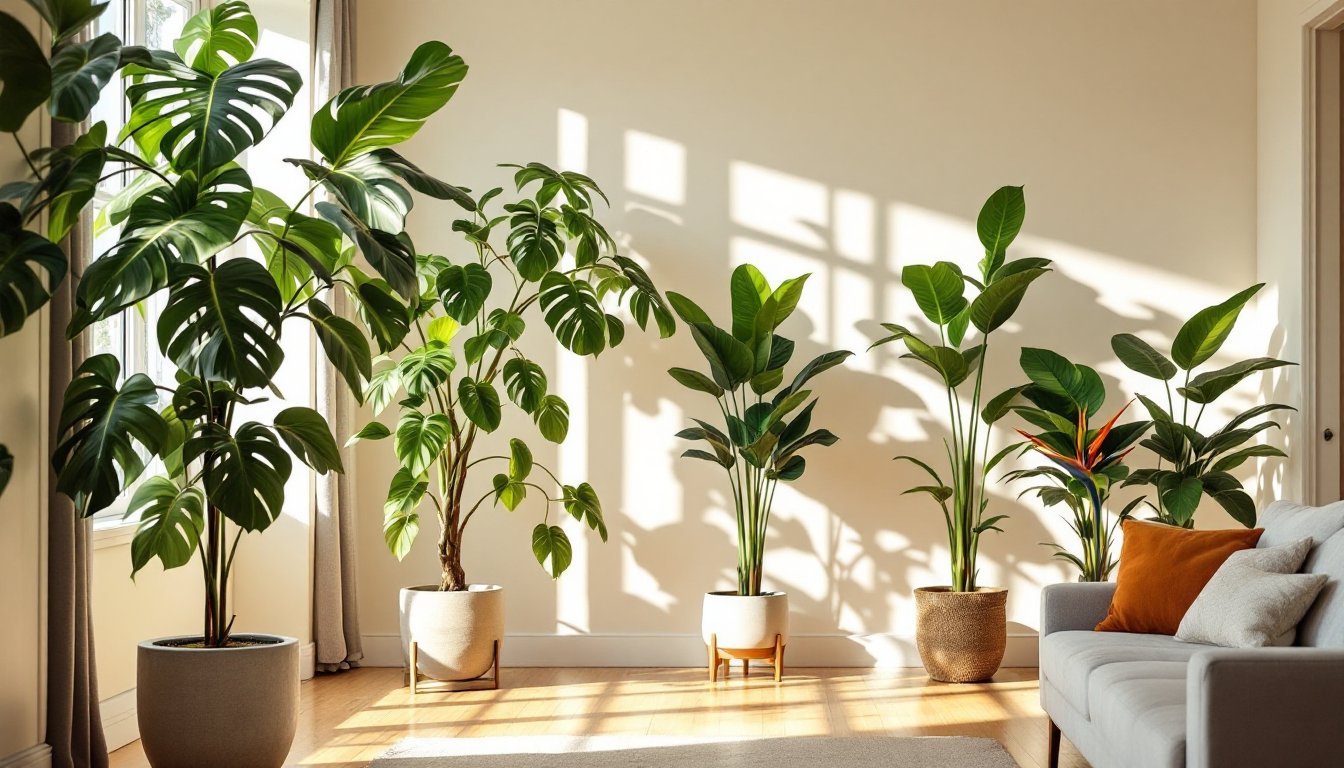
ToggleAdding height to indoor spaces transforms how a room feels. Tall indoor plants create visual interest, improve air quality, and anchor corners that feel empty. Whether someone has a bright living room or a modest bedroom, choosing the right tall indoor plant makes all the difference. Unlike small tabletop plants that fade into décor, statement plants command attention and work as living architecture. The best tall indoor plants combine durability with striking looks, so they reward effort with impact. Let’s walk through the top varieties that deliver both aesthetics and practicality for 2026.
Key Takeaways
- The best tall indoor plants range from 4 to 10 feet and combine visual impact with practicality, including fiddle leaf figs, monsteras, bird of paradise, dracaena marginata, and rubber plants.
- Monstera deliciosa grows faster than most tall indoor plants, reaches 8 to 10 feet quickly, and tolerates lower light and inconsistent watering better than other statement plants.
- Proper tall indoor plant care requires bright to medium-bright light, well-draining soil, and watering only when the top 1 to 2 inches of soil dry out to prevent root rot.
- Dracaena marginata and rubber plants offer low-maintenance alternatives for spaces with limited light, while fiddle leaf fig and bird of paradise require bright, consistent conditions to thrive.
- Provide moss poles or sturdy stakes for climbing plants like monsteras to develop larger, more fenestrated leaves and prevent sprawling across floors.
- Monthly leaf dusting, seasonal fertilizing, and repotting every 2 to 3 years maximize growth and keep tall indoor plants healthy and visually striking.
Fiddle Leaf Fig: A Statement Piece for Modern Spaces
The fiddle leaf fig (Ficus lyrata) has dominated modern interiors for good reason, it reaches 6 to 10 feet tall indoors and develops large, violin-shaped leaves that become showier as the plant matures. The appeal is visual drama: those glossy green leaves catch light and make a room feel intentional.
Here’s what to expect: fiddle leaf figs need bright, indirect light, ideally near an east or west-facing window. Direct afternoon sun through south-facing glass can scorch leaves. Water when the top inch of soil dries out: overwatering kills more figs than underwatering. The plant prefers consistent conditions, so moving it frequently causes leaf drop.
Growth is slow but steady. A healthy fig might gain 1 to 2 feet per year. To encourage bushier branching instead of a single leggy trunk, prune the top once it reaches desired height. Use clean pruning shears and wear gloves, sap can irritate skin. Dust large leaves monthly with a damp cloth to keep them glossy and photosynthesizing efficiently.
The honest part: fiddle leaf figs have a reputation for being finicky. They’re not impossible, but they demand consistency. A dry apartment or constant relocating stresses them. If someone wants a tall plant that tolerates slight neglect, this isn’t the first choice. For someone willing to observe and adjust, it rewards attention handsomely.
Monstera Deliciosa: Height With Dramatic Foliage
Monstera deliciosa grows tall faster than most indoor plants, easily reaching 8 to 10 feet in ideal conditions and climbing much higher if supported. The distinctive split leaves (fenestration) develop as the plant matures, making specimens 3+ feet tall look far more sophisticated than younger ones.
Monsteras thrive in bright, indirect light but tolerate lower conditions better than figs. They’re forgiving about watering, let the soil dry out between waterings. In winter, growth slows, so reduce watering frequency. The plant loves humidity, so misting leaves weekly or placing a humidifier nearby keeps them healthy and prevents brown tips.
For height, provide a moss pole or sturdy stake. Unlike figs, monsteras are climbing plants in nature: they grow aerial roots that cling to bark or moss. An 8-foot pole wrapped in moss lets the plant climb naturally while developing larger, more fenestrated leaves as it ascends. This beats letting it sprawl across a floor.
Low maintenance and forgiving make monsteras ideal for offices, bright bedrooms, or living rooms where someone can’t fuss daily. The split leaves add architectural interest, they’re conversation starters. Growth is visible month to month, satisfying for anyone wanting results. Cost-wise, a small monstera is cheaper than most tall plants and reaches impressive height within 2 to 3 years.
Bird of Paradise: Bring Tropical Elegance Indoors
For drama that actually flowers indoors, the bird of paradise (Strelitzia reginae) delivers. Plants reach 4 to 6 feet tall and produce striking orange-and-blue flowers resembling tropical birds, hence the name. It’s a showstopper for anyone with bright space and patience.
Success requires bright light, ideally a south or west-facing window with 4+ hours of direct sun daily. The plant tolerates some direct sun better than most indoor plants. Water deeply when the top inch of soil dries: the bird of paradise prefers slightly drier conditions than monsteras or figs. Overwatering causes root rot faster than underwatering.
Here’s the reality: bird of paradise takes 3 to 5 years to flower from a nursery plant. During that time, it’s a green-leafed plant that’s handsome but not flowering. For someone wanting flowers immediately, buy a mature, flowering specimen, expect higher cost. Younger plants eventually flower if given consistent bright light and proper care, but patience is mandatory.
Air circulation matters. Place it in a spot where air moves gently, not stagnant. The plant tolerates lower humidity than monsteras but benefits from occasional misting. Fertilize monthly during the growing season (spring and summer) to support flowering. It’s not difficult, just requires planning and consistency.
Dracaena Marginata: Low-Maintenance Vertical Beauty
For simplicity and height with minimal fuss, dracaena marginata (red-edged dracaena) reaches 6 to 10 feet indoors and tolerates neglect that would kill most statement plants. Thin, strappy leaves with red edges on a slender trunk create an elegant, almost contemporary look.
Light flexibility is the main win. Dracaena marginata grows in bright, indirect light, medium light, and even lower corners better than figs or monsteras. This makes it perfect for offices, hallways, or any room without a premium window. Water when the top 2 inches of soil dry out: the plant actually prefers drier soil. Humidity needs are minimal, no misting required.
Dracaena marginata tolerates dry apartment air, inconsistent watering, and temperature swings. It’s genuinely low-maintenance. The only real downside is slow growth: expect 6 to 12 inches of new height per year. For someone wanting instant impact, combine three stems in one pot to create a fuller effect immediately.
Be aware: this plant produces sap that’s mildly toxic to cats and dogs. Keep it away from pets that chew plants. Dust the leaves monthly to keep them vibrant. Prune leggy stems to encourage bushier growth, though the plant is naturally upright, not spreading.
Rubber Plant: Bold Leaves and Impressive Stature
The rubber plant (Ficus elastica) develops thick, deep-green, paddle-shaped leaves and reaches 6 to 10 feet indoors. It’s bold without being fussy, a middle ground between fiddle leaf fig drama and dracaena simplicity.
Rubber plants need bright, indirect light to grow steadily but tolerate medium light without complaint. Water when the top inch of soil dries: they prefer consistent moisture but not waterlogged soil. Weekly wiping of leaves keeps them gleaming and improves photosynthesis.
Growth is moderate, 12 to 18 inches per year in good light. To control height or encourage branching, prune the top stem above a leaf node using clean shears. New growth emerges just below the cut. The plant regenerates quickly, so pruning doesn’t stunt it: it bushes out instead.
Rubber plants are toxin-free for humans but mildly toxic to pets, so pet-owning households should place it out of reach. The latex sap can irritate sensitive skin, so wear gloves when pruning. Young plants are affordable and grow reliably, making rubber plants excellent starter statement plants for anyone new to tall houseplants.
Caring For Tall Indoor Plants: Essential Tips for Success
Tall indoor plants need more attention than small ones simply because of their size and the water they require. Start with proper potting: use a pot only 1 to 2 inches larger in diameter than the root ball, with drainage holes. Large, empty pots trap moisture and lead to root rot. Soil matters, use well-draining potting mix, not garden soil. Standard potting soil mixed with perlite (at a 3:1 ratio) works for most tall plants.
Light is non-negotiable. All the plants above need bright to medium-bright conditions to thrive. Low light keeps them alive but stunts growth and weakens foliage. Rotate plants a quarter turn weekly so all sides receive equal light and growth stays even.
Water carefully. Most tall indoor plants prefer slight dryness between waterings over constant moisture. Stick a finger into the soil: if it feels dry 1 to 2 inches down, water thoroughly until it drains from the bottom. Empty saucers afterward, standing water rots roots. Seasonal adjustments matter: reduce watering in winter when growth slows.
Fertilize during growing seasons (spring and summer) monthly with a balanced houseplant fertilizer diluted to half strength. Stop in fall and winter. Humidity helps most tropical plants but isn’t mandatory. Misting leaves or grouping plants together raises humidity naturally.
Wear gloves when handling plants with irritant sap (figs, rubber plants). Use pruning shears kept sharp and clean, dull blades crush stems. Repot every 2 to 3 years as roots grow, or when water runs straight through without soaking in. Check for pests monthly, especially spider mites and mealybugs on new leaves. Early detection prevents infestations.
Conclusion
Tall indoor plants transform spaces from empty to intentional. Whether choosing a dramatic fiddle leaf fig, forgiving monstera, exotic bird of paradise, minimal-care dracaena, or reliable rubber plant, the best tall indoor plant matches light conditions and commitment level. Start with one statement plant, learn its habits, then expand. Success comes from honest observation and adjustment, not perfection.