
Table of Contents
ToggleA greenhouse transforms gardening from a seasonal activity into a year-round pursuit. Whether someone lives in a frost-heavy climate or simply wants to extend the growing season, a greenhouse provides the controlled environment plants need to thrive regardless of outside weather. For DIYers and plant enthusiasts, the investment pays dividends: earlier harvests, healthier plants, and the freedom to experiment with species that wouldn’t normally survive local conditions. This guide walks through everything needed to build, set up, and maintain a functional greenhouse that works for both vegetables and ornamentals.
Key Takeaways
- A greenhouse transforms gardening into a year-round activity by creating a controlled environment that protects plants from frost, pests, and harsh weather while extending the growing season by weeks or months.
- Greenhouse design options include lean-to, freestanding, hoop house, and rigid-frame models; choose based on available space, budget, and climate to maximize light exposure and durability.
- Proper climate control—maintaining temperature (60–75°F for warm-season crops), humidity (50–70% for vegetables), and ventilation through automatic vents and exhaust fans—is essential to prevent disease and ensure plant health.
- Select plants suited to your greenhouse environment: start warm-season crops like tomatoes and peppers from seed, grow cool-season greens year-round, and propagate tender perennials to extend their lifespan.
- Regular cleaning, pest scouting, sanitation with bleach solutions, morning watering, and removal of plant debris are critical maintenance practices that prevent costly failures and disease.
- Start with a small greenhouse kit or lean-to structure, then expand as your gardening skills and confidence grow for reliable yields that surpass outdoor gardening.
What Is A Greenhouse And Why Every Plant Lover Needs One
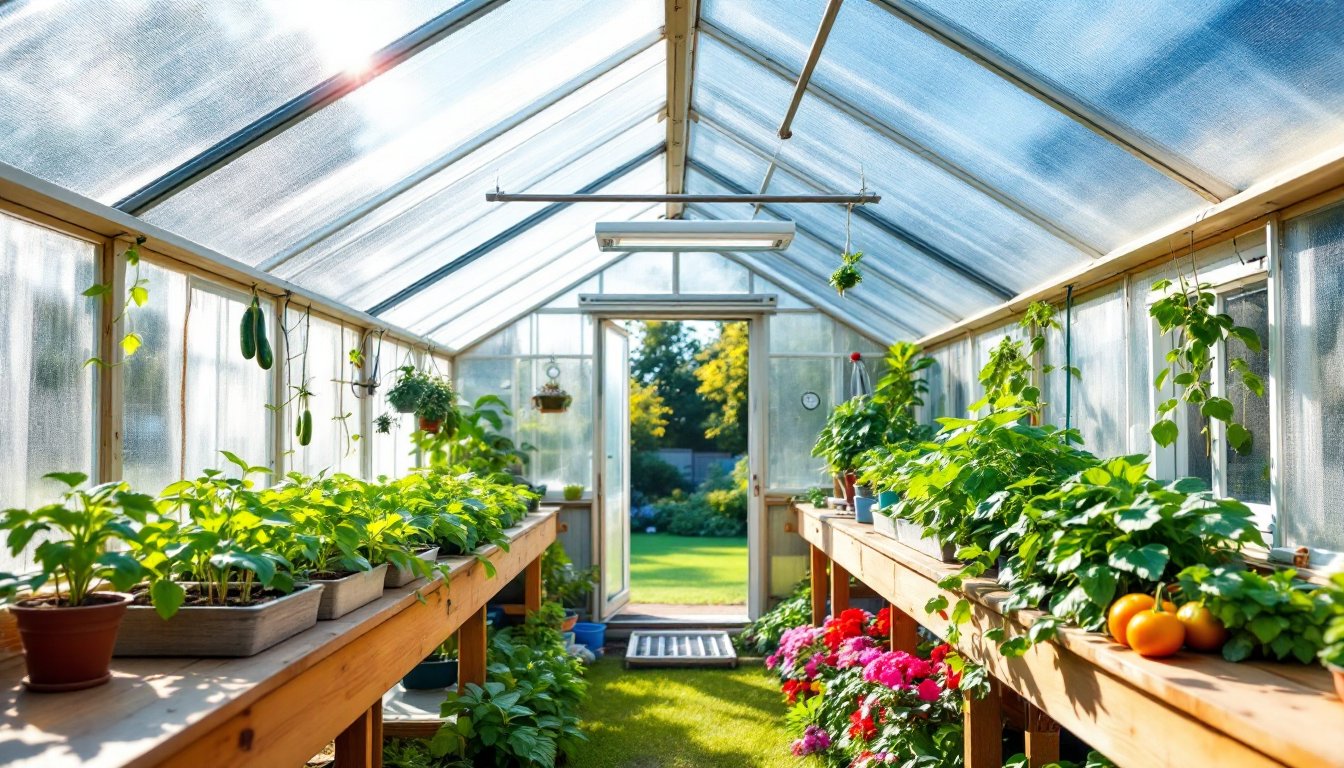
A greenhouse is a structure with a translucent or transparent roof and walls, typically glass or polycarbonate, that traps solar heat and creates a stable growing environment. Unlike a cold frame or shade cloth, a true greenhouse maintains consistent temperature and humidity levels, controlling both heat loss and moisture.
The practical benefits are substantial. A greenhouse extends the growing season by weeks or months on each end, allows year-round propagation of seedlings, and protects plants from pests, disease, and harsh weather. A gardener can start seeds indoors in early spring, nurture tender perennials over winter, and grow crops that would fail outdoors in their region. For commercial growers and serious home gardeners, the improved yield and crop quality justify the upfront cost and maintenance effort.
Beyond productivity, a greenhouse offers peace of mind. Plants aren’t subjected to unexpected late frosts, heavy rain damage, or pest infestations. It’s a controlled space where variables, light, temperature, soil moisture, can be managed deliberately rather than left to chance.
Types Of Greenhouses: Finding The Right Structure For Your Space
Greenhouse designs range from simple lean-to structures attached to a house to freestanding hoop houses and rigid-frame models. The choice depends on available space, budget, climate, and intended use.
Lean-to greenhouses attach to an existing building, sharing one wall. They’re cost-effective, easy to heat (the house provides some insulation), and suit small spaces. But, they cast shadows in the morning and afternoon, limiting light on one side.
Freestanding greenhouses maximize light exposure and work well in open yards. A-frame or gable designs shed water and snow effectively. They require more lumber and materials, but offer flexibility in orientation and placement.
Hoop houses use curved PVC or metal frames covered with greenhouse film. They’re the most affordable option and quick to assemble, though plastic requires replacement every 3–5 years and insulation is minimal without added layers.
Rigid-frame greenhouses (wood or aluminum) last longer and handle wind loads better. They’re pricier upfront but more durable and easier to retrofit with automation.
Small Home Greenhouses And Portable Options
For gardeners with limited space, small greenhouses (4×8 feet to 8×12 feet) or even cold frames suffice for seed starting and tender plants. Polycarbonate panels offer a good balance: better insulation than glass, more affordable, and durable. Portable greenhouse kits, fabric or rigid plastic frames from retailers, are ideal for renters or trial runs before building permanent structures.
Measure the footprint carefully. A 6×8 foot structure feels spacious inside, but an 8×12 foot model allows benching on both sides with a center walkway, improving air circulation and accessibility.
Essential Climate Control: Temperature, Humidity, And Ventilation
A greenhouse is only as good as its climate management. Temperature, humidity, and air movement determine crop health and prevent disease.
Temperature regulation starts with passive solar design: orient the greenhouse to maximize south or southeast exposure in northern climates. Add shade cloth (30–50% density) on the south or west side in summer to prevent overheating. In winter, bubble wrap insulation on interior walls reduces heat loss by 25–30%. Install a thermostat-controlled heater if growing during cold months: propane, electric, or hydronic systems work depending on size and utility access.
Ventilation prevents fungal diseases and excessive heat. Roof vents or louvers, controlled by automatic openers (temperature-triggered), vent hot air. Shade cloth helps, but moving air is critical. Install a small exhaust fan (6–12 inch) with an intake louver opposite the fan to create cross-airflow. Run the fan early morning or evening: don’t cool aggressively in late afternoon, as plants need warmth to harden.
Humidity should stay between 50–70% for most vegetables, lower (40–50%) for flowers to reduce mildew. Wet floors or overhead misting raise humidity: venting and heating lower it. A hygrometer ($15–30) monitors levels and guides management decisions.
Misting systems or drip lines deliver water efficiently, but avoid wetting foliage at night. Morning watering allows leaves to dry before dark, reducing disease pressure.
Choosing The Best Plants For Greenhouse Growing
Success depends on matching plants to the greenhouse environment and grower skill.
Warm-season crops, tomatoes, peppers, cucumbers, basil, thrive in heated greenhouses (60–75°F day, 50°F night minimum). Start seeds 6–8 weeks before outdoor transplant dates, or run them through the season for continuous harvest. Determinate tomato varieties (Bush Early Girl, Determinate Roma) are compact: indeterminate types (Brandywine, Sungold) require support and pruning but produce longer.
Cool-season crops, lettuce, spinach, kale, peas, tolerate 45–60°F and suit unheated greenhouses in spring and fall, or heated ones in winter. Succession-sow every 2–3 weeks for continuous harvests. Leafy greens need moderate light: they’ll stretch in low-light conditions.
Herbs (basil, cilantro, parsley, thyme) are forgiving. Basil loves heat and light: cilantro prefers cool temps but bolts quickly. Start herbs from seed or transplants.
Propagation and seedlings are the greenhouse’s bread-and-butter use. Heating mats ($20–50) and grow lights accelerate germination and growth. A simple 2-foot fluorescent shop light ($15–30) placed 3–4 inches above seedlings prevents leggy, weak growth.
Tender perennials (fuchsia, geraniums, begonias) overwinter indoors without frost damage, then move outdoors when frost risk passes. This extends their lifespan and saves replanting costs annually.
Avoid overcrowding. Space plants to allow air circulation: dense conditions invite disease. Prune and remove dead leaves promptly.
Greenhouse Maintenance And Common Challenges
Regular upkeep keeps the greenhouse productive and prevents costly failures.
Cleaning and sanitation is the single most important habit. Algae and moss block light and harbor pests. Clean glass or polycarbonate panels twice yearly with a soft brush and mild soap. Disinfect benches and tools with a 10% bleach solution (1 part bleach to 9 parts water) in fall. Remove plant debris daily: old leaves and spent plants are disease vectors.
Pests thrive in warm, protected environments. Whiteflies, spider mites, and aphids reproduce rapidly indoors. Scout plants weekly for early detection. Spray infested plants with insecticidal soap or neem oil (both organic options). Isolate infested plants immediately. Introduction of beneficial insects (ladybugs, parasitic wasps) works for long-term management. Avoid broad-spectrum pesticides that kill beneficial insects.
Powdery mildew and damping-off are common fungal problems. Prevent by maintaining air circulation, avoiding overhead watering, and removing infected leaves. For persistent mildew, sulfur dust or baking soda spray (1 tablespoon per gallon water) helps. Damping-off (seedling collapse) is prevented with sterile seed-starting mix and good drainage.
Watering is tricky because greenhouse soil dries faster than outdoor soil due to heat and lower humidity. Water deeply in the morning, checking soil moisture before watering again. Overwatering is more dangerous than underwatering for most plants. Drip irrigation or soaker lines reduce disease and waste.
Structural maintenance includes replacing worn gaskets on vents, resealing gaps in framing, and repainting or refinishing wood frames every few years. Polycarbonate panels haze over time: replace them if light transmission drops significantly.
Conclusion
A greenhouse is a worthwhile investment for any serious gardener. It extends growing seasons, protects plants, and offers reliable yields that outdoor gardening can’t match. Start small with a kit or lean-to if space is tight, then expand as skill and confidence grow. Focus on climate control, sanitation, and species selection, the fundamentals that separate thriving operations from frustrating failures. With consistent maintenance and attention to detail, a greenhouse becomes the most productive garden space on the property.