
Table of Contents
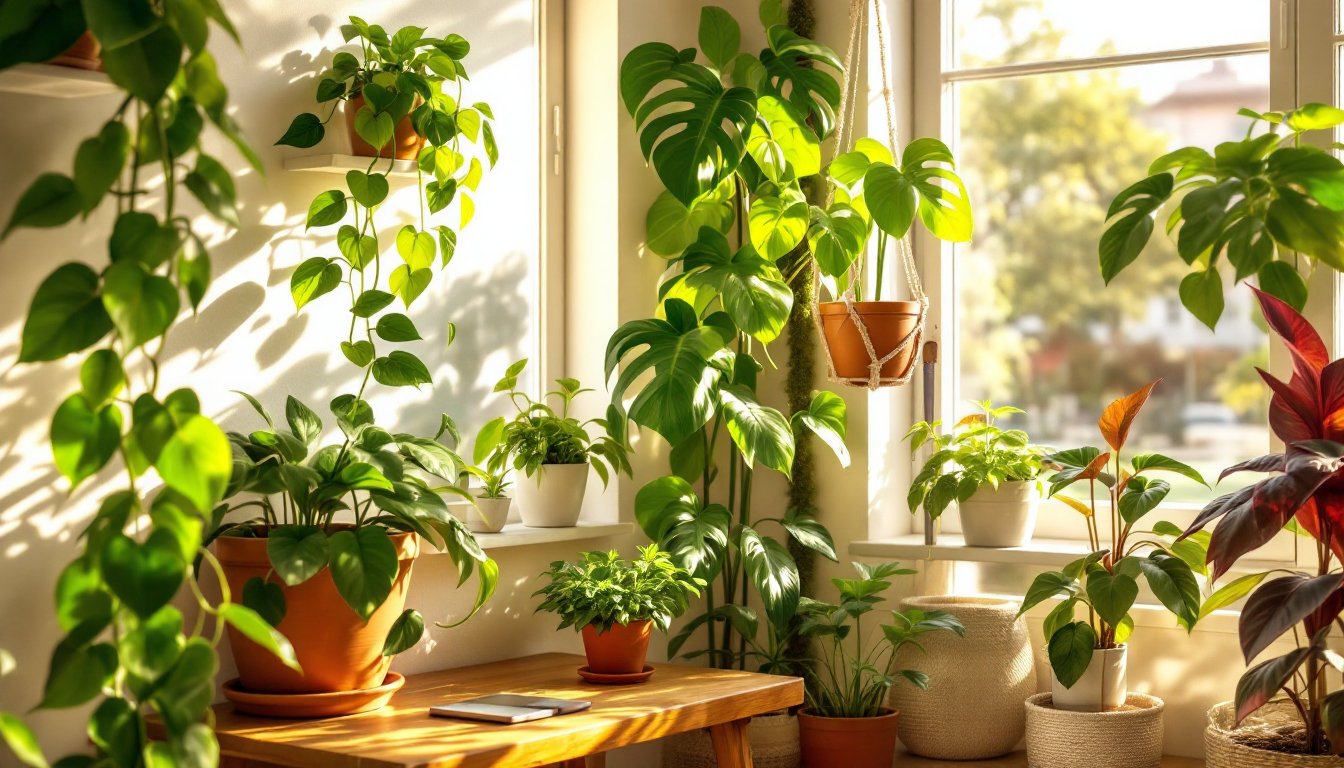
ToggleMost people assume indoor gardening requires patience and a green thumb they don’t have. But fast-growing indoor plants prove that myth wrong. Whether someone is decorating a bare apartment, filling empty shelves, or testing their plant-care skills for the first time, fast-growing houseplants deliver visible results quickly, turning a sparse room into a lush, vibrant space in just a few weeks. Unlike slow growers that take months to show real progress, these varieties reward consistent care with noticeable new shoots, fuller foliage, and sometimes even flowers. They’re also forgiving, which makes them ideal for beginners who are still building confidence around watering schedules and light conditions. This guide covers the best fast-growing indoor plants, where to place them, and how to keep them thriving so results happen fast.
Key Takeaways
- Fast-growing indoor plants deliver visible results in 2–4 weeks, providing immediate feedback that builds confidence for beginner gardeners.
- Top fast-growing varieties include Pothos, Philodendron, and Rubber Plants for foliage, plus edible options like basil (harvestable in 3–4 weeks) and microgreens (ready in 7–10 days).
- Bright indirect light is non-negotiable—fast-growing houseplants need 6–12 inches from LED grow lights or a south/west-facing window to maximize photosynthesis and growth speed.
- Consistent watering (moist but not soggy soil), humidity, and light fertilizing every 2–3 weeks during growing season unlock accelerated growth without common mistakes like overwatering or low light.
- Propagating cuttings and strategic pruning turn small starter plants into full, dense specimens covering shelves or trellises in 6–8 weeks, making indoor gardening both affordable and rewarding.
Why Fast-Growing Plants Are Perfect for Beginner Gardeners
Fast-growing indoor plants are forgiving teachers. When someone waters them regularly and gives them decent light, they respond with visible growth in 2–4 weeks, providing immediate feedback that they’re doing something right. This positive reinforcement builds confidence and habit.
Slower growers can feel discouraging. A person might water and care for a plant for two months and see almost no change, which feels like failure even if the plant is healthy. Fast growers eliminate that frustration.
They also fill space affordably. A single propagation or small starter plant of Pothos or Philodendron can cover a shelf or climb a trellis in 6–8 weeks. Compared to buying large mature specimens, which cost $50–$200+, starting small and watching it grow is both budget-friendly and emotionally rewarding.
Fast growers also teach practical skills faster: stake placement, pruning, humidity management, and fertilizing schedules all become relevant sooner when a plant doubles in size in a month.
Best Fast-Growing Vining Plants for Vertical Spaces
Pothos (Devil’s Ivy) is the gold standard. It grows 1–2 feet per month in moderate to bright indirect light and tolerates low light, inconsistent watering, and neglect. Train it up a moss pole, let it cascade from a shelf, or grow it in a hanging basket. Cuttings root in water in 7–10 days, so propagation is instant.
Philodendron varieties, especially heart-leaf philodendron, match Pothos in speed and resilience. They’re nearly identical in care but slightly more elegant. Both are virtually indestructible, making them perfect starter plants.
Syngonium (Arrowhead Plant) grows just as fast but stays more compact and upright before trailing. It loves humidity and produces arrow-shaped leaves in pink, white, or variegated patterns. It’s more visually interesting than Pothos for someone who wants personality with speed.
String of Pearls is faster than most people expect if given bright indirect light. The trailing bead-like leaves grow several inches per week. It’s drought-tolerant, thrives on neglect, and looks dramatic in a hanging planter.
For vertical trellises, Monstera Deliciosa is slower initially but accelerates after 8–10 weeks. Its dramatic split leaves make it worth the slight wait. Use a moss pole: it clings naturally and grows faster when climbing versus trailing.
All vining plants benefit from stakes or trellises. A plant growing horizontally across a shelf looks leggy: one climbing vertically grows denser and faster because it’s reaching for light efficiently.
Quick-Growing Foliage Plants for Instant Impact
ZZ Plant sounds slow, but newer cultivars grow aggressively if watered consistently and placed in medium to bright light. Glossy, architectural leaflets emerge in deep green or lime. It’s architectural, striking, and fast enough to surprise people.
Dracaena varieties (especially Dragon Tree and Yellow Stripe) add height and texture rapidly. They tolerate low light, don’t need frequent watering, and produce new growth weekly once established. The dramatic foliage makes even small gains look like big results.
Rubber Plant (Ficus elastica) is a workhorse. If placed in bright indirect light and watered when soil dries slightly, it grows 3–5 feet per year. Glossy burgundy or green leaves create instant impact. Wipe foliage monthly with a damp cloth to boost light absorption and growth.
Prayer Plant (Maranta) and Calathea grow rapidly in moderate to bright indirect light with consistent humidity. Their patterned foliage is ornamental, and they reward good care with bushy, dense growth in 4–6 weeks. They’re picky about water, use filtered or distilled water, but they’re worth the attention.
Peperomia varieties are compact, shrubby, and surprisingly fast. They mature into dense little bushes in 8–12 weeks with minimal fuss. Perfect for shelves or tabletops where vining plants won’t fit.
Herbs and Edibles That Grow Rapidly Indoors
Basil grows from seed to harvestable in 3–4 weeks indoors under bright light or grow lights. It’s legal, practical, rewarding, and delicious. Plant seeds in a shallow pot (6 inches deep) with standard potting mix, water consistently, and pinch off flowers to encourage leaf growth.
Mint is nearly unstoppable. Propagate a cutting in water or soil, and it’ll root and double in size within 2 weeks. It tolerates low light, spreads aggressively (grow it in isolation so it doesn’t take over), and provides constant harvest. Great for tea and cocktails.
Parsley, Cilantro, and Chives all germinate and grow to usable size in 4–6 weeks under bright light. They’re slower than basil but still fast, and they thrive on repeated harvesting.
Microgreens are the speed champion: ready to harvest in 7–10 days from seed. No grow lights needed, a sunny windowsill works. Plant seeds densely in a shallow tray with soil, mist daily, and cut when true leaves emerge. Radish, mustard, and broccoli microgreens are nutrient-dense, affordable, and instant gratification.
Lettuce and Spinach grow indoors under LED grow lights, reaching salad-ready size in 3–4 weeks. Use shallow containers, keep soil consistently moist, and rotate pots every few days for even light. Space plants 4–6 inches apart to prevent crowding.
Essential Care Tips to Maximize Growth Speed
Light is non-negotiable. Fast growers need bright indirect light (near a window facing south or west) or supplemental LED grow lights positioned 6–12 inches above foliage. More light = faster photosynthesis = faster growth. If a plant stops growing, check light first.
Water consistently but don’t overwater. Most fast growers prefer soil that’s moist but not soggy. Check soil 1 inch deep with a finger: water when it feels dry. Use room-temperature water. Cold water shocks roots and slows growth.
Humidity accelerates growth. Mist vining plants 2–3 times per week, or group plants together so they create a humid microclimate. A pebble tray (pot sitting on pebbles above water) or humidifier works for plants like Calathea that demand it.
Fertilize during the growing season (spring/summer). Use a balanced liquid fertilizer (10-10-10 NPK) every 2–3 weeks at half strength. Overfeeding causes salt buildup and burns roots: underfeeding limits growth. Follow label directions precisely.
Prune and propagate to encourage bushiness. Pinching off the top inch of growing tips redirects energy into lateral branches, creating fuller plants faster. Remove leggy stems. Propagate cuttings for free new plants.
Temperature matters. Keep plants between 65–75°F. Cold slows metabolism and growth. Avoid drafts and hot radiators, which dry air and stress plants.
Common Mistakes That Slow Down Indoor Plant Growth
Low light is the biggest culprit. A plant in dim corners grows slowly no matter what else is right. If the location can’t support a fast grower, move it or add grow lights. This single fix unlocks growth.
Inconsistent watering stalls progress. Letting soil dry out completely, then overwatering in guilt, creates stress cycles that slow growth. Find a rhythm: check soil weekly, water when the top inch is dry, and maintain consistency.
Using cold water shocks roots. Room-temperature water prevents root stress and maintains nutrient uptake. Cold water constricts roots and slows growth measurably.
Neglecting humidity for humidity-loving plants. Prayer Plants and Calathea grow frustratingly slowly in dry air and develop brown crispy edges. If humidity is low, group plants, mist, or place on pebble trays. Don’t fight your plant’s nature.
Overpotting (too-large pots) delays growth. Large pots hold excess moisture, which compacts soil and restricts roots. Use pots only 1–2 inches larger than root ball. As plants grow, pot up progressively.
Skipping fertilizer during active growth. Fast growers are hungry. Unfertilized plants exhaust nutrients in potting mix and plateau by week 4–6. A light fertilizing schedule keeps them accelerating.
Failing to rotate plants. Sides facing the window grow toward light: far sides fall behind. Rotate 90 degrees weekly for balanced, even growth.
Conclusion
Fast-growing indoor plants deliver visible results, build confidence, and transform bare spaces in weeks. Whether someone chooses vining Pothos, leafy Rubber Plants, or edible herbs, the formula is straightforward: bright light, consistent moisture, humidity where needed, and gentle fertilizing. Start with the most forgiving varieties like Pothos or basil, nail the fundamentals, and watch growth accelerate. Quick wins motivate continued care, turning a casual plant purchase into a rewarding indoor gardening habit.