
Table of Contents
ToggleNot everyone has a green thumb, and that’s okay. Real houseplants add life and color to a bedroom, but they demand consistent watering, proper light, and regular maintenance that many people simply can’t provide. This is where artificial plants come in. Modern fake plants have evolved dramatically over the past few years, moving far beyond the dusty silk flowers of decades past. Today’s high-quality artificial foliage looks remarkably realistic, requires zero watering, and thrives in low-light bedrooms where living plants would struggle. Whether a bedroom lacks natural light, a person travels frequently, or someone just prefers a maintenance-free décor solution, fake plants deliver genuine aesthetic appeal without guilt or dead leaves on the nightstand.
Key Takeaways
- Modern fake plants for bedroom use are made from premium materials like polyethylene and latex that look remarkably realistic while requiring zero maintenance, making them ideal for low-light spaces where real plants struggle.
- Artificial plants eliminate common bedroom plant challenges like poor lighting, dry air from heating systems, pests, and leaf shedding, making them perfect for busy professionals, travelers, and people with allergies.
- The best fake plants for bedrooms include trailing vines that draw the eye upward and compact potted succulents ($5–$50) that work well on nightstands and shelves without creating visual clutter.
- Strategic placement matters: use one small plant per nightstand, arrange 2–3 coordinated fakes per floating shelf, and place larger potted varieties in dark corners to define space intentionally.
- Maintain artificial plants by dusting monthly with a soft microfiber cloth, avoiding direct UV exposure from south or west-facing windows, and checking hanging anchors to ensure they’re rated for weight.
- Fake plants deliver genuine aesthetic appeal and transform bedrooms into greener, calmer spaces without the guilt of dead leaves or the demands of consistent watering and proper light.
Why Artificial Plants Are Perfect for Bedroom Environments
Bedrooms present unique challenges for living plants. Most rely on natural light from a window, which many bedrooms don’t have in abundance, or at all. Beyond light, bedrooms tend to have stable, often dry air from heating systems and air conditioning, which stresses moisture-loving houseplants. Temperature fluctuations near radiators or vents can cause leaf drop and slow growth.
Artificial plants sidestep all of this. They look identical to their living counterparts in a well-lit room and remain vibrant in dimly lit corners. Unlike real plants, they won’t attract pests, shed leaves onto bedding, or require fertilizing. They’re hypoallergenic, making them ideal for people with plant allergies or respiratory sensitivities. A person can place a fake plant above a radiator, near a heating vent, or in a drafty hallway corner without consequence.
From a practical standpoint, artificial plants also fit busy schedules. Professionals who travel, shift-work schedules, or anyone dealing with depression or chronic illness that makes plant care difficult can enjoy green décor guilt-free. Modern faux plants use premium materials, polyethylene, silk, and latex, that mimic living foliage so closely that most people won’t notice the difference unless they touch the leaves.
Best Types of Fake Plants for Bedroom Décor
Not all artificial plants suit bedroom spaces equally. Scale, color, and visual weight matter just as much in a bedroom as they do in a living room, perhaps more so since bedrooms are personal sanctuaries where visual clutter reads as stressful.
Trailing Vines and Hanging Plants
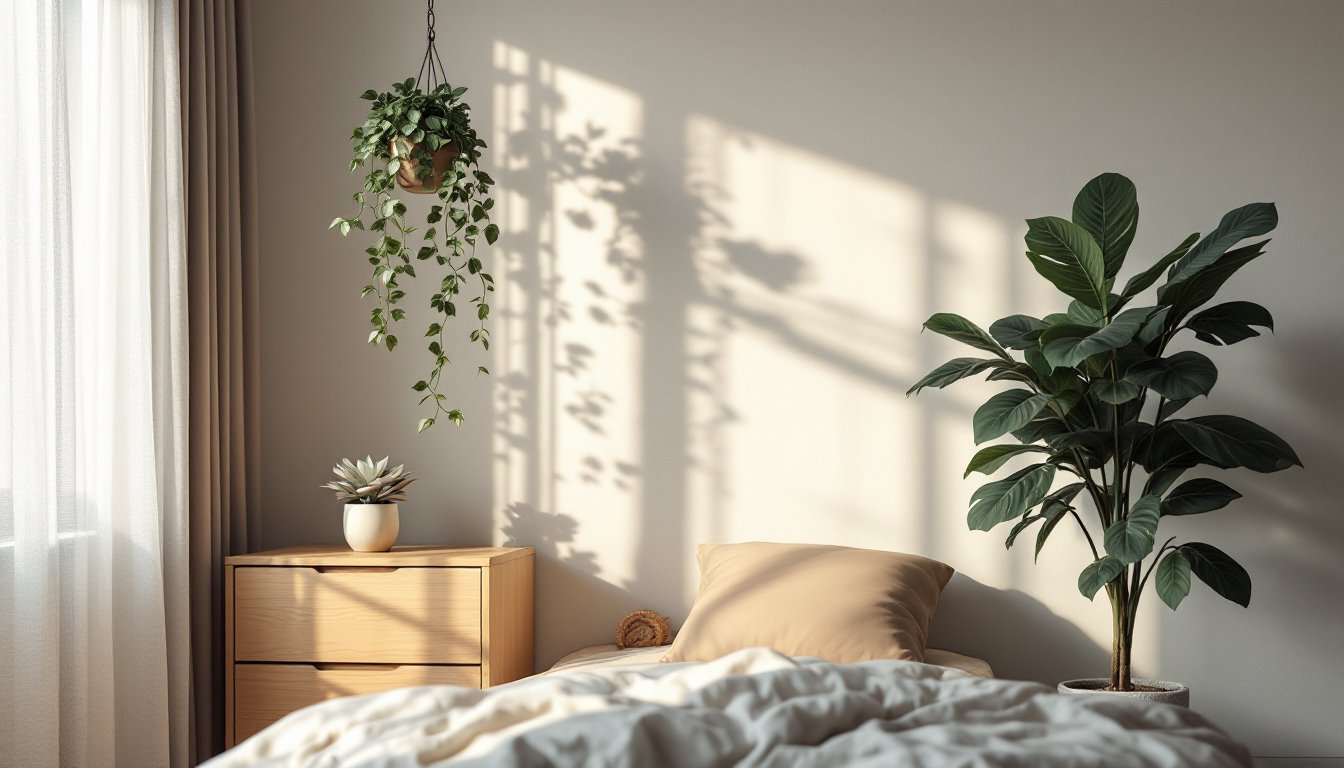
Trailing vines and pothos lookalikes create vertical interest without taking up floor or shelf space. Hanging planters with cascading ivy, philodendron replicas, or string-of-pearls varieties soften bedroom corners and add softness above nightstands. A hanging plant positioned above a dresser or on a bedroom shelf draws the eye upward, making smaller rooms feel taller.
When selecting hanging fake plants, look for realistic leaf texture and color variation. Quality artificial vines won’t feel plastic or stiff to the touch: they’ll have a subtle waxy feel that mimics natural leaf cuticles. Avoid bunches that look uniformly green, real plants have lighter and darker foliage throughout. Pothos vines with white variegation (mimicking Epipremnum pinnatum varieties) work well in mid-range décor styles, while darker ivy varieties complement traditional or moody bedroom palettes. Hanging options typically cost $15 to $50 depending on length and material quality.
Compact Potted Plants and Succulents
Compact potted fakes work on nightstands, shelves, windowsills, and dressers. Small artificial succulents, echeveria, haworthia, or jade plant replicas, cost just $5 to $15 per plant and create the appearance of a thriving plant collection without the care. Group three to five of varying heights and colors for visual impact. Stagger pot heights using small stacks of books or risers underneath fabric, so the tops sit at different levels.
For bedroom spaces, avoid overly large or architectural specimen plants like artificial monstera or fiddle leaf figs unless the room is spacious. Those work better in living rooms. Compact potted plants maintain bedroom scale and create cozy focal points on nightstands or floating shelves. If choosing a larger potted fake (12 to 16 inches tall), place it in a corner away from the bed itself to avoid a cluttered, cramped feeling.
Styling Tips: Where and How to Place Artificial Plants
Placement makes the difference between a bedroom that looks decorated and one that looks cluttered. Artificial plants perform best in locations that feel intentional and balanced.
On nightstands: Keep this minimal. One small potted plant or a 6- to 8-inch trailing vine in a hanging planter above the nightstand works: two or three will compete with a lamp and create visual noise on a surface people use for sleep rituals.
On floating shelves: Arrange fake plants with books, framed photos, or decorative boxes. A good ratio is two plants per shelf, with breathing room between objects. Vary heights using small plant stands or books underneath pots to create rhythm.
In corners: Empty bedroom corners benefit from taller artificial plants or hanging vines. A 24- to 30-inch tall potted faux plant in a dark corner catches light and defines the space without occupying functional floor area.
Above the dresser or vanity: A single hanging vine or a small shelf holding 2–3 potted plants works well. Avoid placing plants directly above where someone sits: falling foliage (even faux) and dust create irritation.
Styling with pots: The container matters as much as the plant. Ceramic or fabric pots in neutral tones (cream, gray, white) feel sophisticated in bedrooms. Trendy textured or colored pots (terracotta, black, blush pink) suit younger people or bohemian décor. Ensure pot color or finish complements bedroom walls and existing furniture. Mismatched pots holding coordinated fakes read as intentional: identical plastic pots read as cheap, regardless of plant quality.
Maintaining Your Fake Plants for Long-Lasting Beauty
While artificial plants require no watering or fertilizer, they’re not completely maintenance-free. Dust, UV exposure, and general wear gradually diminish their appearance.
Dusting regularly (monthly or quarterly, depending on bedroom air quality) keeps foliage vibrant. Use a soft microfiber cloth or feather duster on larger plants. For delicate trailing vines or compact succulents, a soft brush or old toothbrush works. Gently wipe or brush each leaf from top to bottom, supporting the stem with one hand. Avoid harsh chemicals or sprays, plain water on a damp cloth is sufficient. Air drying takes seconds.
Avoid direct sunlight from windows if plants sit on south or west-facing sills. High-quality faux foliage resists fading better than budget alternatives, but prolonged UV exposure fades any material over months. If a bedroom gets strong morning or afternoon light, rotate hanging plants every few weeks or use sheer curtains to diffuse intensity.
Check anchors and stems periodically. Hanging planters need secure hooks rated for the weight. A 3–5-pound hanging vine system needs at least a 25-pound rated wall anchor, don’t assume the hook included with the planter is adequate. Potted plants on shelves should sit flat and stable: uneven surfaces cause tipping. Over time, some stems weaken or connections loosen: gently re-bend loose branches to position them naturally and inspect for cracks or splits in joints.
Storage and repositioning: If moving fake plants between rooms or seasons, wrap them loosely in acid-free tissue paper to prevent crushing leaves. Store in a cool, dry place away from heat sources. Don’t compress them in boxes: store upright or loosely draped if possible.
Conclusion
Fake plants transform bedrooms into greener, calmer spaces without demanding time, light, or horticultural skill. Modern artificial options, trailing vines, compact succulents, and realistic potted varieties, provide visual warmth that empty shelves and dark corners lack. Thoughtful placement, realistic materials, and basic seasonal dusting keep faux foliage looking fresh for years. For anyone struggling with plant care, managing a busy schedule, or simply wanting bedroom décor that stays beautiful no matter what, artificial plants deliver real results.