
Table of Contents
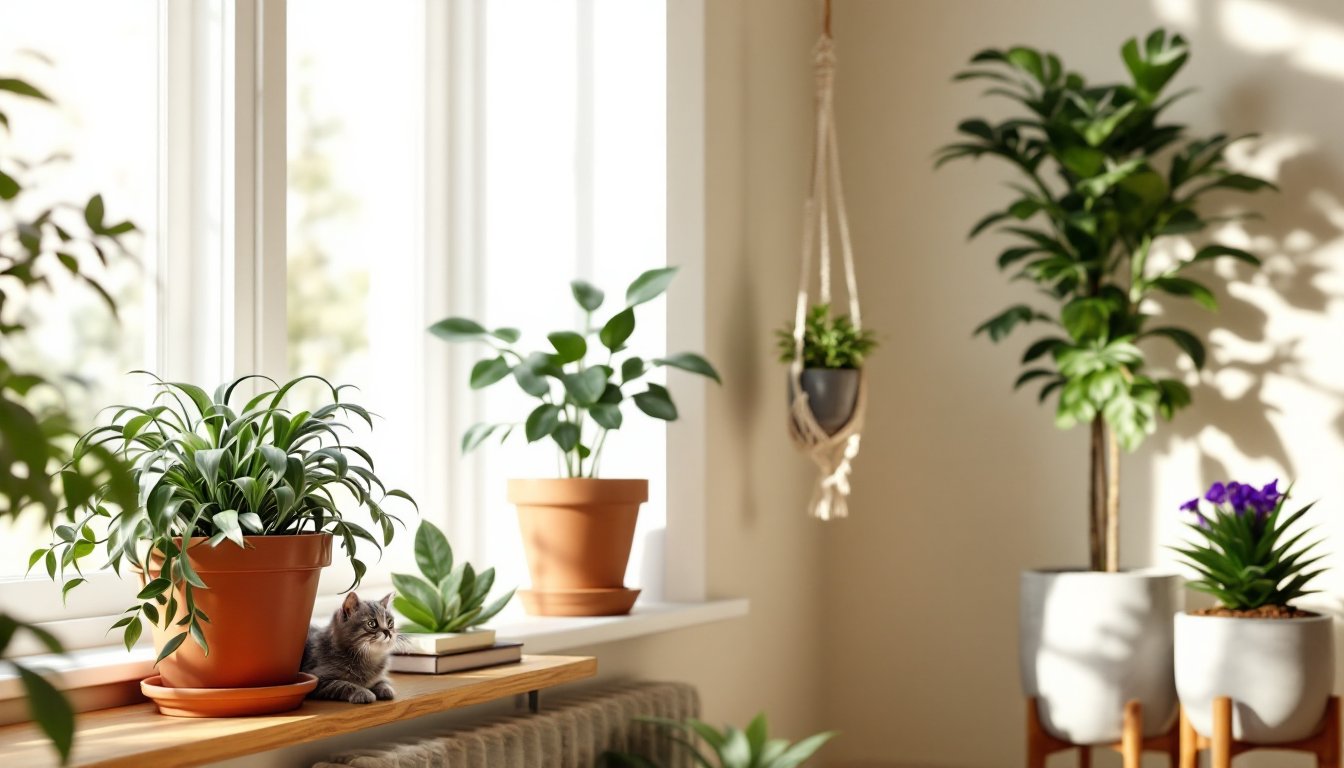
TogglePet owners often struggle with the guilt of wanting fresh greenery indoors while worrying about their cats’ safety. The reality is that many popular house plants are toxic to cats, causing anything from mild digestive upset to serious poisoning. But the good news? There are plenty of beautiful, cat-safe house plants that add life to a home without the risk. By choosing the right plants and understanding which ones to avoid, anyone can create a lush indoor garden that’s safe for their feline friends. This guide covers the best cat-safe options for 2026, along with practical tips for keeping both plants and cats thriving together.
Key Takeaways
- Many popular houseplants like lilies, sago palms, and dieffenbachia are toxic to cats and can cause serious health issues even from minimal ingestion, making cat-safe house plants essential for pet owners.
- Easy-to-grow cat-safe options like spider plants, Boston ferns, and parlor palms allow beginners to create lush indoor gardens without a green thumb or constant monitoring.
- Low-maintenance varieties such as Haworthia succulents, Calathea plants, and ponytail palms are perfect for busy pet parents who want greenery without high care demands.
- Proper placement in sturdy containers, use of bottom watering, and protective soil barriers significantly reduce risks and help keep both plants and cats thriving together.
- Consulting the ASPCA Animal Poison Control Center before bringing unfamiliar plants indoors is the safest approach to maintaining a toxin-free, cat-friendly home environment.
Why Cat-Safe Plants Matter for Pet Owners
Cats are naturally curious and love to investigate anything new in their environment. They’ll chew on leaves, knock over pots, or dig in soil out of pure instinct, not misbehavior. When a plant is toxic, even casual nibbling can trigger a health crisis that lands them in an emergency vet visit.
Common toxic plants like lilies, sago palms, and dieffenbachia can cause kidney damage, cardiac issues, or severe gastrointestinal problems, sometimes requiring hospitalization. The plant toxin doesn’t have to be ingested in large amounts, either. A few chewed leaves of a lily can be enough to cause acute kidney injury in cats.
Choosing cat-safe plants eliminates this worry entirely. A cat-safe house plant means owners can enjoy greenery without constantly monitoring their pet or moving plants out of reach. It’s about creating a home where both plants and cats can coexist peacefully.
Common Toxic Plants to Avoid
Before stocking your home with greenery, know what to remove or never bring inside. Lilies (especially Easter, Stargazer, and Tiger varieties) are among the most dangerous, even the pollen can harm cats. Sago palms cause liver toxicity and can be fatal. Dieffenbachia and Philodendron contain calcium oxalate crystals that irritate the mouth and throat. Oleander, Azaleas, and Rhododendrons all contain toxins affecting the digestive and cardiac systems.
Other common houseplants to skip include Daffodils, Tulips, Poinsettias, Jade plants, Aloe, and Snake plants (Sansevieria). Many of these are popular gifts or seasonal decorations, so it’s worth double-checking before bringing them home.
If someone already has a toxic plant at home, the safest move is to remove it entirely or place it in a room where the cat has zero access. Hanging planters and shelves help, but determined cats will find a way. When in doubt, consult the ASPCA Animal Poison Control Center (888-426-4435) or check their online database before bringing any unfamiliar plant indoors.
Top Cat-Safe Indoor Plants
Easy-to-Grow Options for Beginners
Starting a cat-safe plant collection doesn’t require a green thumb. Boston Ferns are nearly indestructible and thrive with moderate, indirect light and consistent moisture. They prefer humidity, so a bathroom or kitchen is ideal, and they’ll reward minimal effort with lush, feathery growth.
Spider plants are the gold standard for beginners. They tolerate low light, irregular watering, and produce dangling babies that propagate easily. Cats may chew the leaves occasionally, they’re non-toxic, and many cats seem drawn to their grass-like appearance. Keep one in a hanging planter if leaf damage bothers you.
Parlor palms add tropical vibes and are completely safe. They prefer bright, indirect light and can handle average room temperatures. They grow slowly but steadily, adding height and drama to a space without maintenance demands.
African violets are compact, colorful, and cat-safe. They bloom reliably under fluorescent light and need only occasional watering. Their small size makes them perfect for desks or shelves where they’re out of direct paw reach but still visible.
Low-Maintenance Varieties for Busy Pet Parents
For those juggling work, family, and pet care, Haworthia succulents are nearly foolproof. They need water only every 3–4 weeks, tolerate low light, and stay compact. Their small size and slow growth mean they won’t become overgrown eyesores.
Calathea plants are cat-safe and stunning, with patterned leaves that rival any tropical plant. They prefer consistent moisture and indirect light but don’t demand perfection. Many Calatheas are low enough to the ground that cats lose interest quickly.
Prayer plants (Maranta leuconeura) are safe, low-growing, and visually striking with red-veined leaves. They prefer humidity and indirect light but tolerate typical indoor conditions. Their compact size keeps them naturally out of most cats’ reach.
Ponytail palms are slow-growing succulents with unique silhouettes. They need infrequent watering, overwatering is the only real risk, and handle neglect better than most plants. Once established, they demand almost nothing and last for years.
Tips for Keeping Your Plants and Cats Safe Together
Choosing cat-safe plants is just step one. The environment matters too. Place pots in sturdy, heavy containers that won’t tip when a cat rubs against them or lies nearby. Terra cotta and ceramic work well: flimsy plastic or lightweight pots invite disaster.
Use well-draining potting soil appropriate for each plant type. Cats digging in soil is common behavior, so consider placing decorative rocks or mesh screening over the soil surface to discourage excavation. This isn’t foolproof, but it often redirects interest.
Position plants on shelves, windowsills, or hanging planters when possible. This keeps them out of tail-swishing range and reduces the temptation to knock things over. But, don’t place them so high that falling pots could injure a cat or damage flooring.
Water from the bottom when practical. Wet leaves attract chewing, and standing water can harbor bacteria. Bottom watering (setting the pot in a tray of water for 10–15 minutes) keeps foliage dry and directs cat attention away from the plant.
Wash hands after handling plants, especially if applying fertilizer or insecticidal soap. Cats groom themselves constantly and can ingest residue from contact. Organic, pet-safe fertilizers are worth the slight premium.
Monitor for signs of plant distress, yellowing leaves, wilting, or pest infestations, and address them immediately. A struggling plant is more likely to drop leaves or attract pests that cats then investigate. Healthy plants are safer plants.
If a cat is particularly aggressive toward plants, offer alternatives. Cat grass (wheatgrass or oat grass) grown in a separate, lower pot can satisfy the urge to nibble without harming houseplants or the cat.
Conclusion
A home full of cat-safe plants is absolutely achievable. By avoiding toxic varieties and selecting from the proven options above, pet owners can enjoy fresh greenery without constant worry. The key is combining the right plant choices with smart placement and basic care. A thriving indoor garden and a happy, healthy cat aren’t mutually exclusive, they just require a little planning upfront.