
Table of Contents
ToggleNot everyone has the budget, or the green thumb, to fill their home with pricey, fussy plants. The good news? Some of the most resilient, beautiful houseplants cost just a few dollars and actually thrive on neglect. Whether someone’s a first-time plant parent or looking to expand a collection without spending big, cheap house plants are an excellent entry point. They’re low-risk, forgiving, and often propagate themselves, meaning a single $3 plant can become a whole collection over time. In 2026, budget-friendly greenery is more accessible than ever, and these plants prove that cost and quality don’t have to be mutually exclusive.
Key Takeaways
- Cheapest house plants like pothos and snake plants cost just $2–$8 and thrive on neglect, making them ideal for beginners and budget-conscious plant parents.
- Propagation turns a single affordable houseplant into a full collection for free within weeks using water, soil, or division methods.
- Low-cost plants including spider plants and succulents are drought-tolerant, adapt to low light, and require minimal care, making them forgiving of beginner mistakes.
- Budget-friendly greenery delivers air-purifying benefits and visual impact without requiring a nursery budget or expert gardening skills.
- Starting with cheap houseplants builds plant care confidence and teaches fundamental skills that transfer to caring for premium plants later.
Why Budget-Friendly Plants Are the Smart Starting Point
Starting with cheap houseplants isn’t cutting corners, it’s being smart. Low-cost plants like pothos and snake plants are affordable precisely because they’re nearly indestructible. They tolerate irregular watering, low light, and temperature swings that would kill fancier specimens. This makes them ideal for learning plant care basics without guilt or financial loss if something goes wrong.
Another advantage: budget plants multiply. Pothos vines can be propagated from a single leaf node: snake plants create pups in soil: spider plants produce runners with baby plantlets. One $2 plant becomes three or four within months, essentially free. They also serve as living proof that a beautiful interior doesn’t require a nursery budget. A handful of thriving cheap plants often outperforms an expensive specimen that looks sad in a corner.
Low-Cost Houseplants That Thrive With Minimal Care
The cheapest houseplants share common traits: drought tolerance, low light adaptability, and slow growth (meaning less frequent repotting and fertilizing). Understanding which plants fit these profiles helps anyone pick winners for their space.
Pothos and Spider Plants: The Affordable Workhorses
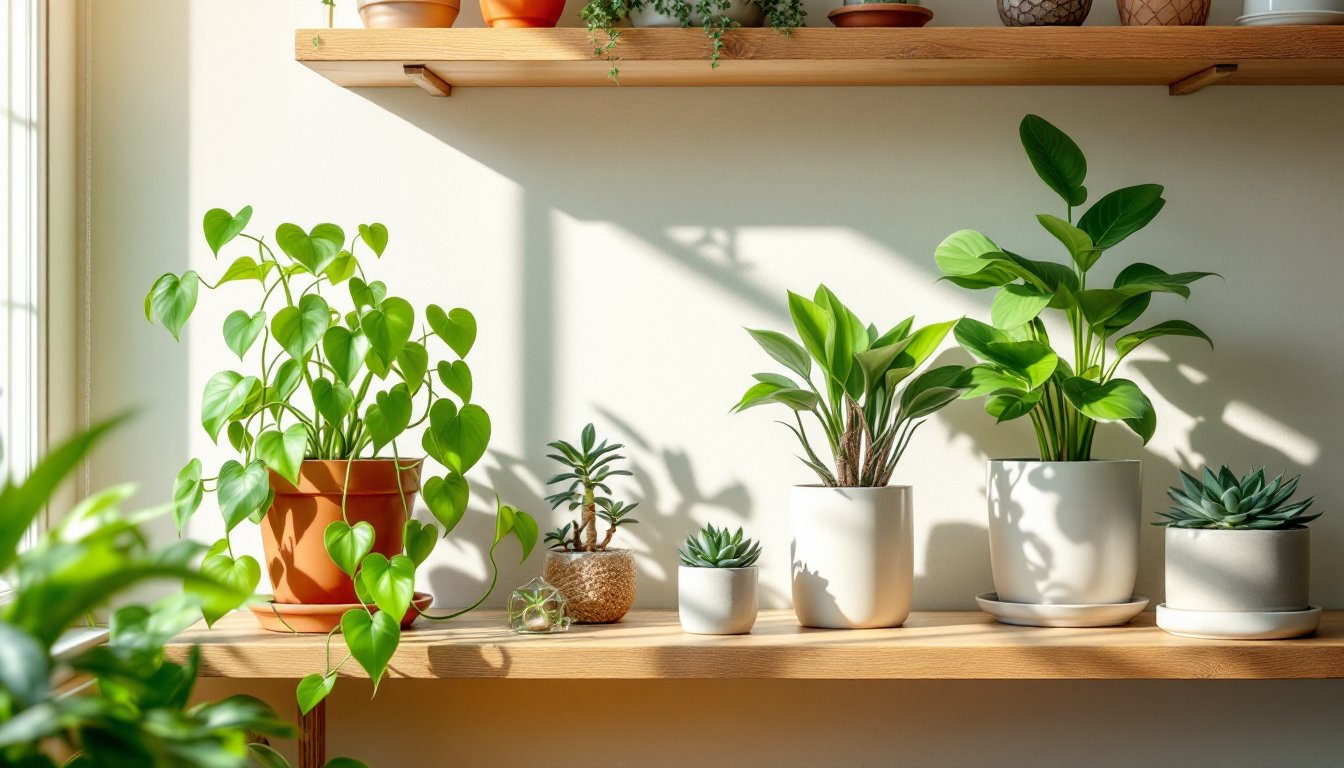
Pothos (Epipremnum aureum), also called devil’s ivy, is perhaps the cheapest house plant available, often $2 to $5 at any garden center. It tolerates neglect, grows in low to moderate light, and climbs a trellis or trails from a shelf. Water when soil is dry to the touch: overwatering is the main threat. Pothos comes in green or golden varieties: both are equally hardy.
Spider plants cost similarly and are equally forgiving. They produce long, arching leaves and send out runners bearing baby plantlets, the easiest propagation method. Spider plants prefer bright, indirect light and moderate watering but bounce back quickly if forgotten. Both are safe around pets, making them popular for households with cats or dogs.
These two plants alone can fill multiple rooms cheaply and teach fundamental plant care: proper drainage, light needs, and seasonal watering adjustments.
Succulents and Snake Plants: Drought-Tolerant Bargains
Succulents are sold everywhere in bulk at very low prices. Jade plants, aloe, and echeveria offer visual interest and require minimal water, perfect for busy people or dry indoor air. Water deeply once every two to three weeks: in winter, reduce frequency. They need bright light (a south-facing window is ideal) and well-draining cactus or succulent soil. Overwatering is the primary killer: when in doubt, leave them dry.
Snake plants (Sansevieria trifasciata) are tougher than any houseplant rightfully should be. At $3 to $8, they handle darkness, neglect, and irregular watering. They grow slowly, producing architectural, sword-like leaves that add instant style to any room. Snake plants also purify air and propagate readily: divide rhizomes or leaf cuttings will root in water. They thrive in low light but grow faster in bright conditions.
Growing Your Collection Without Breaking the Bank
Once someone owns a few cheap plants, the temptation to expand is real, and propagation makes it free.
Propagation Methods to Multiply Your Plants for Free
Water propagation is the simplest method. Cut a healthy stem or leaf from pothos, spider plant, or coleus: place it in a glass of water: change water every 3–5 days. Roots appear within one to two weeks. Once roots are an inch long, pot in moist soil. This costs nothing and works for most soft-stemmed plants.
Soil propagation works for succulents and snake plants. Let cut leaves air-dry for 24 hours, then place on moist soil (don’t bury them). Keep soil lightly moist until roots form, typically 2 to 4 weeks. Resist the urge to overwater: many fail because of too much moisture, not too little.
Division is used for spider plants and mature snake plants. Gently separate clusters of roots and foliage: pot each section in fresh soil: water lightly. They establish quickly because roots are already present. This is the fastest propagation method for clumping plants.
Leaf-cuttings from succulents and some begonias are dropped onto soil and left alone. Mist occasionally, but don’t saturate. New rosettes will form within weeks. One mature jade plant can yield dozens of babies over time.
Propagation requires zero additional investment beyond pots (which can be reused containers with drainage holes drilled in them). This strategy lets someone fill a home with greenery for the cost of the initial plants, typically $15 to $30 for a starter collection of five to seven plants.
Conclusion
The cheapest house plants aren’t compromises: they’re smart choices. Pothos, spider plants, snake plants, and succulents deliver beauty, air-purifying benefits, and resilience without breaking the budget. They’re forgiving of beginner mistakes, propagate freely, and create a lush home environment for minimal cost. Starting with these affordable workhorses builds confidence and skills, and those skills transfer to caring for pricier plants later, if desired. In 2026, transforming a home with greenery is more affordable than ever.