
Table of Contents
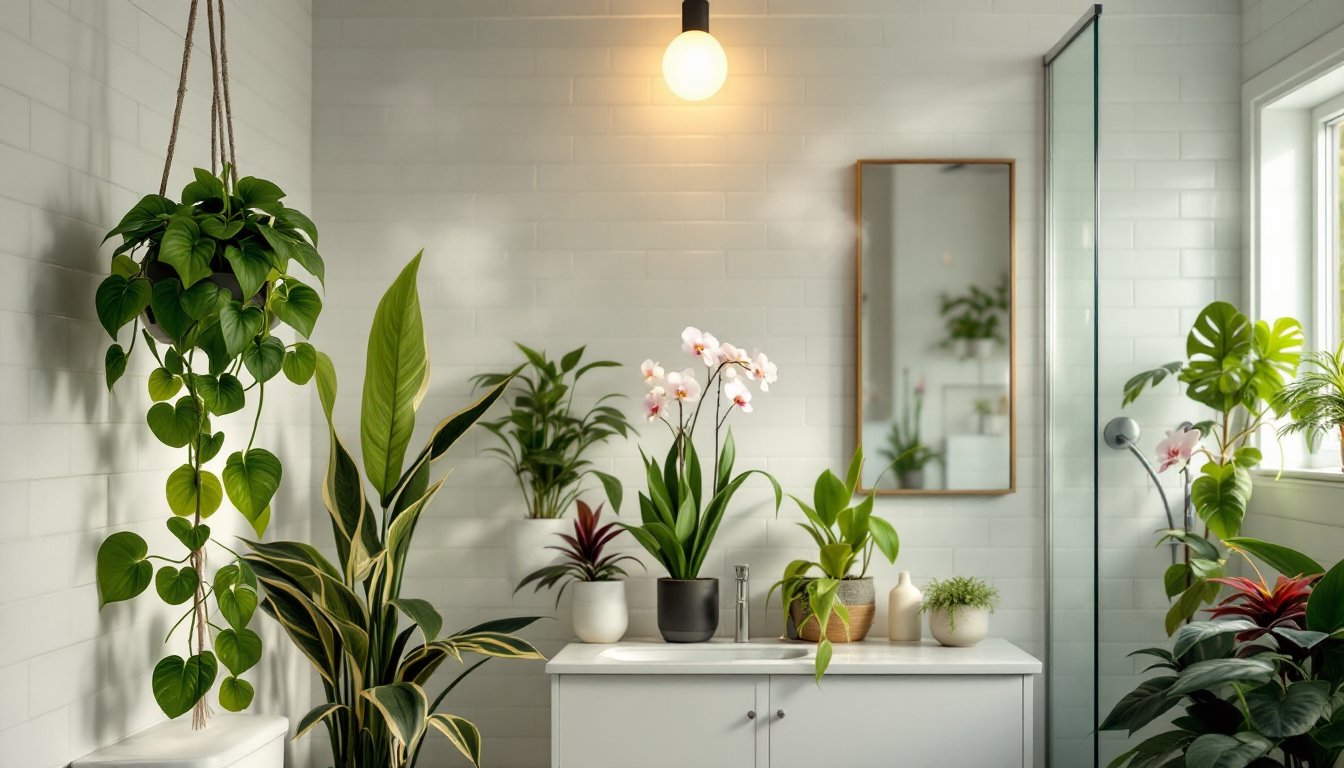
ToggleThe bathroom might be the last place someone thinks to add plants, but it’s actually one of the best rooms in any home for greenery. Between the warm, humid air from showers and the periodic moisture, bathrooms create ideal growing conditions that many houseplants crave. Whether dealing with a naturally dark bathroom or a bright, steamy space, there’s a plant that fits. The right bathroom plant doesn’t just survive in these conditions, it genuinely thrives. This guide covers the best plants for bathrooms, what makes them work in this unique environment, and how to keep them healthy year-round.
Key Takeaways
- The best plants for the bathroom thrive in high humidity (60-80%) and warm, consistent temperatures that mimic tropical rainforest environments.
- Low-light champions like pothos and snake plants are ideal for dark bathrooms and require minimal maintenance, while humidity-loving species like ferns, calatheas, and orchids flourish in steamy conditions.
- Compact bathroom plants such as air plants, peperomias, and small succulents maximize space and work well on shelves or hanging fixtures without competing for counter area.
- Proper care requires balancing humidity with ventilation to prevent mold, checking soil moisture before watering, and positioning plants near light sources or artificial lighting for sustained growth.
- Bathroom plants often outperform the same species in other rooms because the natural moisture, stable warmth, and gentle indirect light create superior growing conditions year-round.
Why Bathrooms Are Ideal For Indoor Plants
Bathrooms offer something most rooms don’t: natural humidity. Every shower or bath releases moisture that lingers in the air, creating that misty environment many tropical and rainforest plants evolved to love. Most indoor spaces hover around 30-40% humidity: bathrooms regularly hit 60-80% during and after showers. Beyond humidity, bathrooms tend to stay warmly consistent. A typical bathroom maintains 65-75°F, which is ideal for plants that don’t tolerate temperature swings.
There’s also the practical side. A bathroom window, if present, provides bright, diffused light without the intense direct sun that burns delicate foliage. Even bathrooms without windows can work thanks to fluorescent or LED lighting from vanity fixtures. This gentle, indirect light mimics the dappled forest floor where many houseplants naturally grow. The result: bathrooms feel less like human spaces and more like miniature greenhouses. This is why bathroom plants often outperform the same species sitting on a living room shelf.
Low-Light Champions: Plants That Thrive Without Windows
Not every bathroom has a window, and that’s fine. Several plants actually prefer low light and will struggle if placed in bright, direct sun. These shade-tolerant species are the backbone of dark bathroom planting.
Pothos And Snake Plants For Dark Corners
Pothos (also called devil’s ivy) is nearly indestructible. It tolerates low light, irregular watering, and neglect, making it perfect for someone new to plants or a frequently-used bathroom where watering gets forgotten. Pothos grows as a trailing vine, so it’s ideal for hanging above a toilet tank or cascading from a shelf above the sink. The leaves stay lush green, and occasional misting reinforces the humid environment. A mature pothos can handle weeks between waterings.
Snake plants are equally reliable but take a different form. Their upright, architectural leaves add visual interest without sprawling. Snake plants are nearly bulletproof: they tolerate low light, irregular watering, and even air fluctuations. The key with snake plants is avoiding overwatering, they store water in their leaves and prefer to dry out between waterings. In a humid bathroom, that’s actually easier to manage because evaporation is slower. Place a snake plant on a bathroom shelf or in a corner and watch it quietly thrive for years with minimal attention. Both pothos and snake plants also help filter indoor air, which is a bonus in an enclosed bathroom space.
Humidity-Loving Plants That Flourish In Moist Air
While low-light plants survive bathrooms, humidity-loving species genuinely flourish there. These plants evolved in tropical rainforests where moisture hangs in the air year-round, so a bathroom’s steamy environment feels like home.
Ferns, Calatheas, And Orchids For Steamy Bathrooms
Ferns are the textbook bathroom plant. Their delicate, feathery fronds look elegant and need the consistent moisture bathrooms provide. Boston ferns and maidenhair ferns are popular: they appreciate high humidity and indirect light. The catch: ferns don’t tolerate dry air, so they perform poorly in living rooms but excel above a bathroom sink. Water ferns when the top inch of soil feels dry, and mist them on dry days if the bathroom isn’t steamy enough. A bathroom with regular showers will keep ferns happy without extra misting.
Calatheas are showstoppers with ornate, patterned foliage. They’re finicky in normal homes but settle right into humid bathrooms. Calatheas like bright, indirect light and consistently moist (not wet) soil. The bathroom’s natural humidity means their leaves won’t brown at the tips, a common complaint in dry living spaces. Calatheas also move their leaves daily in response to light, which is subtle but fascinating to watch over weeks.
Orchids deserve special mention because they’re not as difficult as their reputation suggests. Many orchids naturally grow in tree bark high in tropical forests where rain is frequent and air circulates. A bright bathroom with good air movement from ventilation fans mimics this perfectly. Water orchids once a week, let the potting medium dry slightly between waterings, and provide bright, indirect light from a window or bright fixture. Orchids blooming for months is common in bathroom conditions, they love the humidity and stable temperature.
Compact Plants Perfect For Small Bathroom Spaces
Small bathrooms demand plants that don’t sprawl or compete for counter space. The good news: some of the toughest, best-performing plants are compact by nature.
Air plants (Tillandsia) are radical choices. They’re epiphytes, plants that grow on trees in nature without soil. No pot, no mess, just mount them on driftwood or hang them in a small holder. They absorb water and nutrients through their leaves, so misting or a brief soak once a week keeps them thriving. In a humid bathroom, even less frequent misting works. Air plants are conversation starters and take up zero counter space.
Peperomias are small, slow-growing, and come in variegated varieties that add color. They like bright, indirect light and soil that’s moist but never waterlogged. Their compact size makes them perfect for a bathroom shelf next to a sink or toilet. Peperomias also tolerate lower humidity than ferns or calatheas, so they’re forgiving if the bathroom isn’t super steamy.
If a shelf is the only available real estate, a small succulent like haworthia works in well-lit bathrooms with a window. Haworthias are compact, don’t demand frequent watering, and bring textural variety. They need more light than most bathroom plants, so reserve them for bathrooms with a decent window. In very low-light bathrooms, stick with pothos or snake plants for shelf placement.
Essential Care Tips For Bathroom Plant Success
Choosing the right plant is half the battle: keeping it alive is the other half. Bathroom conditions are generally favorable, but a few practices ensure long-term success.
Light: Even low-light plants need some illumination. Position pothos and snake plants near a window or within a few feet of a bathroom light fixture that’s on daily. If your bathroom is pitch-dark and never uses artificial light, those plants will slowly decline. Orchids and calatheas need brighter indirect light: a bathroom window is ideal.
Watering: This is where bathroom humidity helps. Most plants won’t dry out as fast as they would in a living room. Check soil moisture before watering, stick a finger an inch into the soil. If it feels moist, skip watering. Ferns and calatheas like consistently moist soil: pothos and snake plants prefer drying between waterings. Bathroom humidity means less frequent watering overall, so overwatering (the number-one houseplant killer) is less likely.
Ventilation: Humidity is great, but stagnant air encourages mold and fungal issues. Use an exhaust fan during and after showers to move air, preventing moisture from pooling on leaves or soil. This balance, humidity with air movement, mimics natural rainforest conditions perfectly.
Temperature: Keep bathroom plants away from cold drafts near windows or heating vents. Most tropical plants struggle below 60°F. A bathroom’s consistent warmth is an advantage: just avoid placing plants directly above radiators or in front of AC vents.
Pest prevention: Bathrooms are generally pest-free compared to other rooms. Inspect new plants before bringing them in, and isolate any showing signs of spider mites or mealybugs. High humidity can sometimes attract fungus gnats, so let soil surface dry slightly between waterings and avoid overwatering.
Repotting: Bathroom plants grow well, so check roots yearly. If roots are circling the pot bottom or pushing through drainage holes, it’s time to upsize. Spring is ideal: use a pot one size larger with fresh potting mix suited to the plant type (orchid bark for orchids, peat-based for ferns).