
Table of Contents
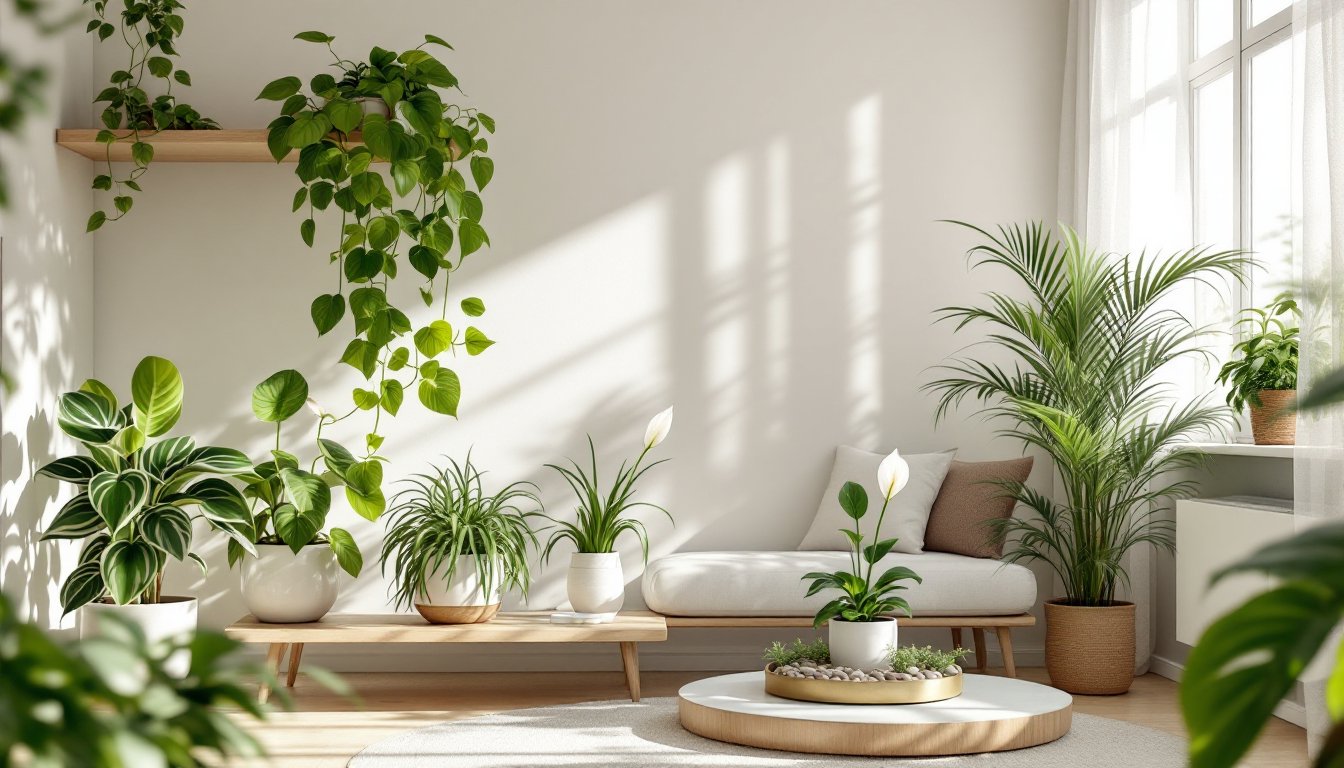
ToggleStale air in a home isn’t just uncomfortable, it affects focus, sleep, and breathing quality. Most homeowners reach for air purifiers, but adding air-purifying indoor plants offers a natural, low-cost complement to mechanical systems. Plants don’t just look good on a shelf: they actively absorb toxins and release oxygen through photosynthesis. If you’re tired of recycled air and want to improve indoor oxygen levels without another appliance, the right selection of houseplants can make a measurable difference. This guide covers the best oxygen-boosting plants, how they work, care requirements, and exactly how many you need to see real results in your space.
Key Takeaways
- Air-purifying indoor plants absorb carbon dioxide, VOCs, and household toxins through phytoremediation while releasing oxygen back into your room, working best as a supplement to mechanical air filters.
- Snake plants, pothos, and spider plants are the most forgiving air-purifying plants for beginners, requiring minimal light and water while effectively reducing formaldehyde and benzene.
- Peace lilies, areca palms, and Boston ferns offer higher oxygen production and humidity benefits but demand more consistent light, moisture, and temperature control.
- You need 6–8 medium to large plants strategically placed throughout your home to noticeably improve oxygen levels and reduce toxins within 2–4 weeks, rather than the 15–20 recommended by older studies.
- Proper plant care—matching light to species, watering when soil dries, maintaining 40%+ humidity, and monthly leaf cleaning—ensures consistent oxygen production and air-purifying performance.
- Start with hardy, low-maintenance species like pothos or snake plants, monitor your sleep quality and breathing, then expand your collection based on your home’s light and space conditions.
How Indoor Plants Improve Air Quality and Oxygen Levels
Plants clean air through a process called phytoremediation, they absorb carbon dioxide, volatile organic compounds (VOCs), and other airborne toxins through their leaves and roots, then release fresh oxygen back into the room. During the day, photosynthesis powers this exchange: at night, most plants actually consume oxygen, though the net effect over a 24-hour cycle is still positive.
Common household toxins like formaldehyde (from furniture and carpeting), benzene (from plastics and adhesives), and xylene (from paint and cleaning products) accumulate in closed spaces. Studies show certain plants can reduce these contaminant levels measurably, especially in smaller rooms or when grouped strategically. The larger the plant and the more leaf surface area it has, the more air it can process.
One important caveat: plants alone won’t replace a proper HEPA filter air purifier in homes with serious air quality issues like severe allergies, asthma, or wildfire smoke exposure. Instead, they work best as a supplementary layer, improving oxygen, reducing toxin buildup, and adding humidity that benefits respiratory health.
Top Air-Purifying Plants That Maximize Oxygen Production
Snake Plants, Pothos, and Spider Plants
Snake plants (Sansevieria trifasciata) are workhorses in any home. They’re nearly indestructible, require minimal light and water, and perform exceptionally well at removing formaldehyde and benzene. They’re also one of the few plants that continue releasing oxygen at night, making them ideal for bedrooms. Expect steady but slow growth: a mature snake plant can reach 3–4 feet tall.
Pothos (Epipremnum aureum), also called Devil’s Ivy, is equally forgiving and faster-growing than snake plants. It trails gracefully from shelves, climbs a moss pole, or spreads across a wall. Pothos absorbs VOCs efficiently and tolerates low light, though it grows faster with bright, indirect light. One plant covers substantial air volume quickly.
Spider plants (Chlorophytum comosum) produce oxygen rapidly and are safe around pets, a major advantage over some other houseplants. They’re vigorous growers with arching, variegated leaves and readily produce baby plantlets for propagation. Spider plants adapt to most light conditions, though they prefer medium brightness.
Peace Lilies, Areca Palms, and Boston Ferns
Peace lilies (Spathiphyllum) actively remove ammonia, formaldehyde, and benzene. They flower indoors with elegant white spathes if given bright, indirect light, and they’re remarkably good at signaling when they need water, leaves droop noticeably, then perk back up after watering. They prefer consistent warmth and humidity.
Areca palms (Dypsis lutescens) are tropical showstoppers that release moisture and oxygen generously, making them excellent for dry indoor environments. They grow 5–7 feet tall indoors and require bright, indirect light and regular watering. They’re pricier and need more space than smaller plants, but they deliver high oxygen output.
Boston ferns (Nephrolepis exaltata) are powerhouses for air purification and humidity increase. But, they demand consistent moisture, indirect light, and stable temperatures, they’ll drop fronds if conditions fluctuate. They’re fussier than pothos or snake plants, so commit to their care before buying one.
Caring for Your Oxygen-Boosting Plants: Light, Water, and Humidity
Success with air-purifying plants depends on matching light and water to each species. Snake plants and pothos tolerate low light (north-facing windows, interior rooms) and dry conditions, ideal for beginners or neglectful waterers. Water them when soil is completely dry, typically every 2–3 weeks. Overwatering causes root rot, the #1 killer of houseplants.
Spider plants and peace lilies prefer medium, indirect light (east or west-facing windows) and consistently moist (not soggy) soil. Check soil moisture with your finger: water when the top inch feels dry. Boston ferns and Areca palms need bright, indirect light and regular moisture, more demanding but faster-growing.
Humidity matters, especially for ferns and palms. If your home’s humidity drops below 40% in winter, group plants together to create a microclimate, set them on pebble trays filled with water (plants sit above the water, not in it), or mist foliage weekly. Misting also removes dust, improving photosynthetic efficiency.
Rotate plants quarterly to ensure even growth. Repot annually or when roots emerge from drainage holes. Use well-draining potting mix, standard indoor potting soil works: avoid dense garden soil, which holds too much water indoors. Wipe large leaves (peace lilies, areca palms, pothos) monthly with a soft, damp cloth to keep pores open.
How Many Plants Do You Actually Need for Better Air Quality?
The short answer: more than you’d think, but fewer than NASA’s famous 1989 clean-air study suggested. That research recommended 15–20 plants per 1,800 square feet for measurable air purification, a density most homes don’t achieve. In practice, 6–8 medium to large plants strategically placed throughout a home will noticeably improve oxygen levels and reduce airborne toxins within 2–4 weeks.
For a bedroom (where oxygen and air quality matter most during sleep), 2–3 plants per 100 square feet is reasonable. A snake plant or pothos at the foot of the bed and another on a shelf or nightstand creates a simple, effective setup. For living rooms or office spaces, cluster plants near seating areas and windows, this maximizes both light for photosynthesis and proximity to where you spend the most time.
Room size, ceiling height, and air circulation affect the calculation too. A smaller, well-ventilated bedroom with one large peace lily or areca palm may perform better than a larger room with tiny plants in dark corners. Quality and location matter as much as quantity. Start with 3–4 plants in your main living spaces, monitor how you feel (better sleep, clearer breathing, fewer headaches), and add more if needed. Growth in oxygen and toxin reduction is cumulative over weeks.
Conclusion
Air-purifying indoor plants are a practical, affordable way to boost oxygen and reduce indoor toxins. Snake plants, pothos, spider plants, peace lilies, areca palms, and Boston ferns each excel at different growing conditions, so you can match them to your home’s light and humidity. Proper care, appropriate watering, light, and occasional leaf cleaning, ensures they keep working. Start with hardy species like pothos or snake plants if you’re new to houseplants, then expand your collection. Paired with regular ventilation and a quality air filter, a thoughtful plant strategy becomes a cornerstone of healthier indoor air.