
Table of Contents
ToggleJapanese house plants have gained serious traction among homeowners looking to add living greenery without fussy, high-maintenance species. Unlike trendy Instagram plants that demand constant attention, Japanese indoor varieties are built on centuries of cultivation wisdom, they’re practical, resilient, and designed to fit seamlessly into everyday living spaces. Whether someone’s setting up their first apartment or refreshing a tired corner, Japanese house plants offer a proven way to bring calm, structure, and genuine botanical interest into a home. The appeal isn’t just aesthetic: these plants reflect a philosophy that values balance, subtlety, and long-term sustainability over flash.
Key Takeaways
- Japanese house plants are practical, low-maintenance alternatives to trendy Instagram plants, built on centuries of cultivation wisdom and designed to thrive in everyday living spaces.
- Japanese plant selection emphasizes quality over quantity—choosing one or two specimens and caring for them intentionally over years, reflecting principles of wabi-sabi and negative space rather than crowding shelves.
- Lucky Bamboo and Japanese Pothos are ideal beginner-friendly options that tolerate variable light, irregular watering, and neglect while developing character and split leaves over time.
- Authentic Japanese plant displays require careful pot selection (muted ceramic or clear glass), intentional placement in daily sightlines, and resistance to busy patterns or oversized planters that compete with the plant.
- Watering is the most common care mistake—most Japanese house plants prefer drying slightly between waterings, and Lucky Bamboo requires weekly water changes to prevent algae and bacterial growth.
- Japanese house plants reward observation and patience; they develop genuine botanical interest as they mature, making them rewarding for both beginners and experienced plant parents seeking a philosophy of intention over instant gratification.
What Makes Japanese House Plants Special
Japanese house plants stand apart because they’re selected and cultivated with specific principles in mind, not random specimens chosen for Instagram appeal. Japan’s long indoor gardening tradition, rooted in bonsai culture, ikebana (flower arranging), and living with plants in compact urban homes, has shaped which species thrive indoors and which ones pair well with minimalist, intentional living spaces.
These plants typically share a few key traits: they adapt to moderate indoor light, tolerate occasional neglect, and develop character as they mature rather than demanding constant intervention. They also tend to have visual restraint, clean lines, elegant foliage, subtle growth patterns, that fits Japanese aesthetic principles like wabi-sabi (finding beauty in imperfection and impermanence) and ma (the importance of empty space).
The Philosophy Behind Japanese Plant Selection
Japanese plant selection isn’t about filling every square inch of a room. Instead, it’s about choosing one or two specimens that deserve a dedicated spot and caring for them intentionally over years. This approach is refreshing for DIYers tired of maintaining crowded plant shelves that look chaotic by summer.
The philosophy emphasizes asymmetry, negative space, and plants that improve with age. A single Japanese Zelkova sapling might take three years to develop character, but by year five, its structure becomes genuinely beautiful, that’s the Japanese perspective. Plants aren’t temporary décor: they’re living elements that evolve within a home. This mindset also reduces the pressure to keep everything “perfect,” since weathering and gradual change are considered desirable, not failures.
Best Japanese House Plants for Beginners
Starting with the right species matters enormously. Japanese house plants for beginners should tolerate variable light, forgive irregular watering, and adapt to standard indoor conditions, no grow lights or humidifiers required to succeed.
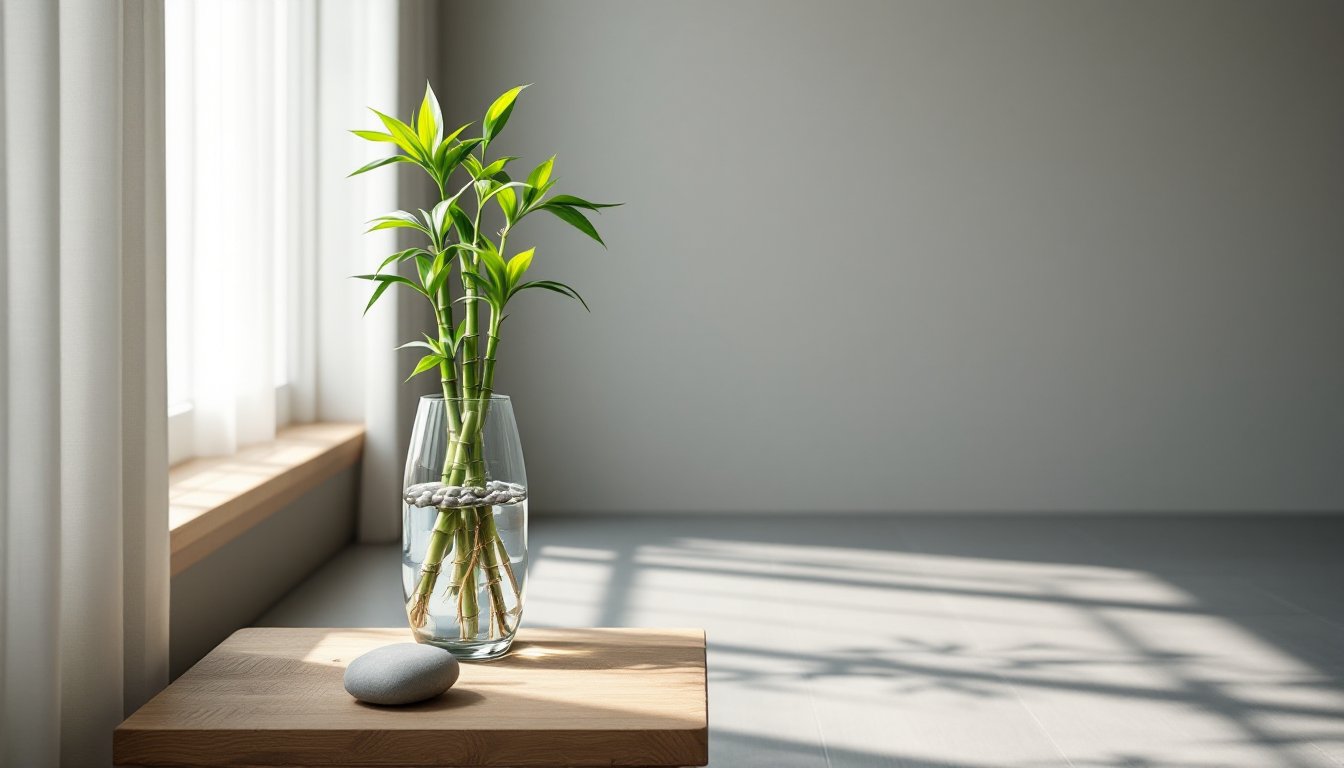
Lucky Bamboo (Dracaena sanderiana) is the gateway plant. It grows in water alone, needs minimal light, and actually resents fussy care. Place it in a clear vase with pebbles, change the water every two weeks, and it’ll thrive in an office, bedroom, or living room corner. It’s nearly impossible to kill, which is why Japanese homes and businesses lean on it so heavily.
Japanese Pothos (also called Epipremnum pinnatum) is a trailing vine that handles low light, irregular watering, and even neglect. It develops more textured, split leaves as it matures, a sign it’s genuinely happy, not struggling. Unlike the standard green pothos found everywhere, Japanese varieties have subtler variegation and slower, more controlled growth. Stake it upright or let it trail: either way, it adapts.
Sago Palm (Cycas revoluta) makes a statement without high maintenance. It’s a slow grower (adding just a few fronds per year), but that restraint is part of the charm. Bright indirect light and infrequent watering keep it healthy. It won’t need repotting for years.
Japanese Aralia (Fatsia japonica) prefers cooler temperatures and moderate light but rewards consistency with glossy, deeply lobed foliage. It’s trickier than lucky bamboo, so it’s best for someone ready to commit.
Lucky Bamboo and Pothos Varieties
Lucky Bamboo comes in several cultivars. Straight stalks are common: spiral stalks (shaped as they grow) are pricier but striking. The single-stalk version is minimalist: three or five stalks carry meaning in feng shui (life, wood element, luck). This flexibility makes it easy to choose based on budget and aesthetic preference.
Japanese Pothos varieties include Epipremnum pinnatum (the larger-leafed form) and Epipremnum pothos ‘Marble Queen’ (variegated). The pinnatum develops its characteristic split leaves faster in bright indirect light but is forgiving in lower conditions. Don’t expect split leaves immediately: it takes two to three years in most homes. Water when the top inch of soil feels dry: overwatering is the main failure point.
Creating an Authentic Japanese Plant Display
Displaying Japanese house plants authentically means resisting the urge to crowd them. A single Lucky Bamboo in a carefully chosen vessel, placed where someone walks past daily, makes a bigger impact than five plants competing for attention on a shelf.
Start by identifying a focal point in a room, a corner, a windowsill, a side table, and build the display around one primary plant. Supporting elements (stones, a small wooden stand, or negative space) matter more than multiple specimens. The goal is to create a moment of calm, not fill visual real estate.
Authentic Japanese displays often include living plants alongside non-living elements. A smooth river stone, weathered wood, or a simple ceramic vessel becomes part of the composition. The plant, pot, and setting work together as a unified arrangement.
Pot Selection and Placement Principles
Pot choice is non-negotiable in Japanese plant design. Avoid bright colors, busy patterns, or oversized planters. Instead, opt for simple ceramic vessels in white, gray, matte black, or natural clay. The pot should complement the plant, not compete with it. For a Lucky Bamboo, a clear glass vase with pebbles lets the roots show (which is visually interesting and functional). For Pothos or Aralia, a understated ceramic planter in muted tones grounds the display.
Size matters. The pot should be only slightly larger than the root ball, cramped-looking is better than swimming-in-soil in Japanese aesthetics. Drainage is essential: ensure vessels have holes or use well-draining soil mixes.
Placement follows simple rules: put primary plants where they’re visible during daily movement through a room, but not dead center in a hallway where they interrupt flow. Near a east- or north-facing window works for most species. Avoid direct afternoon sun (which bleaches foliage) and keep plants away from heating vents, which dry soil and leaves. A plant might look good on a high shelf, but if it’s hard to water consistently, it’ll suffer. Placement should be practical, not just photogenic.
Care and Maintenance for Japanese House Plants
Japanese house plants don’t demand military-precision care, but they do benefit from intentional, consistent routines.
Watering is the most common misstep. Most Japanese house plants prefer to dry slightly between waterings. Stick a finger one inch into the soil: if it feels dry, water until it drains from the bottom. If soil is still moist, wait a few days. Lucky Bamboo in water should have fresh water changed weekly (algae and bacteria thrive in stagnant water).
Light depends on the species. Lucky Bamboo tolerates 12-hour periods without direct sun: Pothos actually prefers bright indirect light and can handle lower conditions than most vining plants. Japanese Aralia needs more light but not scorching afternoon rays. Rotate plants every few weeks so they grow evenly, not reaching toward a single window.
Fertilizing keeps plants healthy but shouldn’t be overdone. During growing season (spring through summer), apply a balanced, diluted fertilizer (like 10-10-10 NPK) every 4-6 weeks. Reduce or skip feeding in fall and winter when growth slows. Slow-release pellets work fine: fancy high-end products aren’t necessary.
Pruning maintains shape and removes dead foliage. Pinch back Pothos tips to encourage bushier growth. Remove yellowed or damaged leaves promptly, this keeps energy focused on healthy growth. Use clean sharp pruners and wipe blades with rubbing alcohol between cuts to prevent spreading disease.
Repotting is infrequent. Most Japanese house plants are happy in the same pot for 2-3 years. Signs it’s time: roots coming out drainage holes, or water running straight through without absorbing. Repot in spring using fresh, well-draining potting soil, never garden soil, which compacts indoors. Go up one pot size only (typically 1-2 inches larger in diameter), not multiple sizes at once. Over-potting causes root rot.
Common issues include yellowing leaves (usually overwatering) and browning leaf tips (dry air or mineral buildup in water). For Lucky Bamboo, yellow stems signal rot, trim them off and propagate healthy sections in fresh water. Most Japanese house plants are pest-resistant indoors, but inspect new plants for spider mites or scale before bringing them home. If pests appear, isolate the plant and spray with a gentle neem oil or insecticidal soap solution.
The key is observation. A healthy plant looks vibrant, not stressed. If something seems off, drooping, pale foliage, slow growth, adjust water, light, or location before assuming the worst.
Bringing Japanese Greenery Home
Japanese house plants represent a refreshing alternative to trend-driven indoor gardening. They’re forgiving enough for beginners, interesting enough for experienced plant parents, and built on a philosophy that values patience and intention over instant gratification. Start with Lucky Bamboo or Pothos, place them thoughtfully, and let them mature. That’s the entire approach, simple, honest, and genuinely rewarding over time.