
Table of Contents
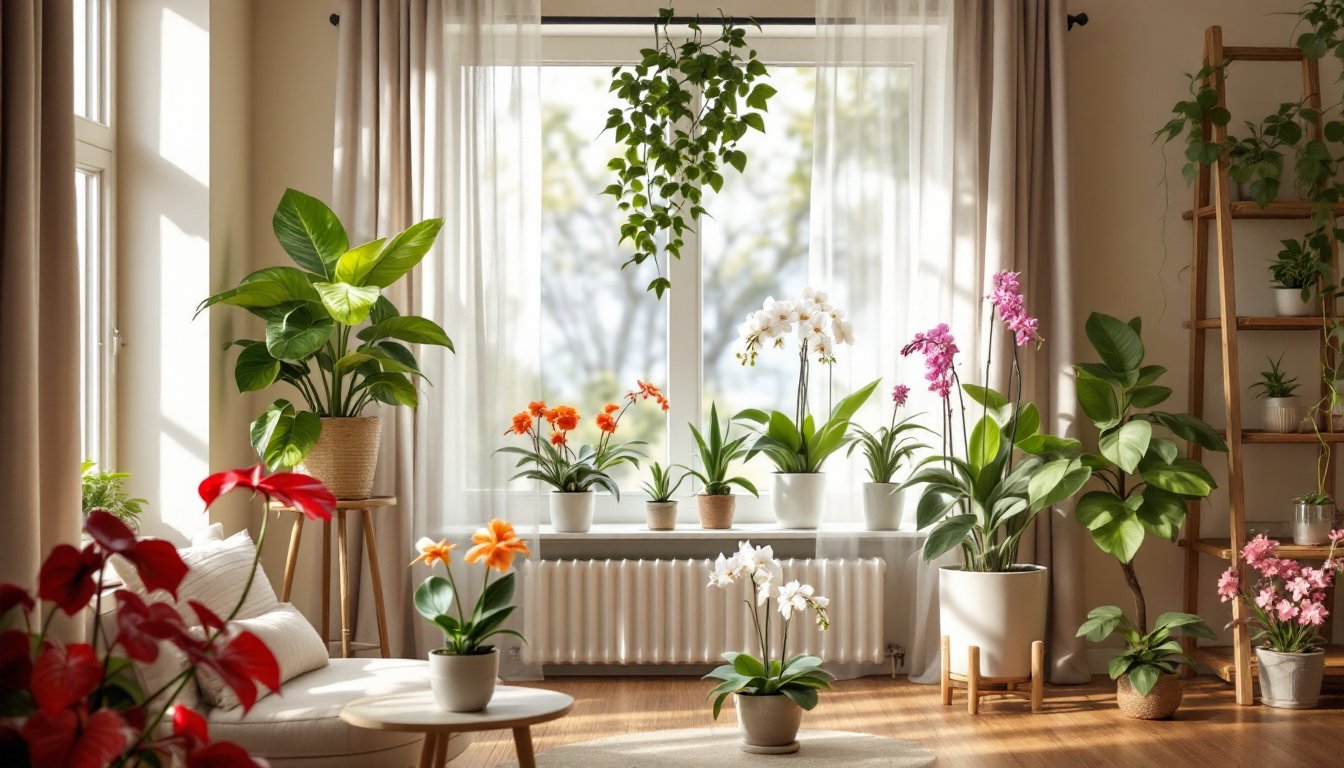
ToggleAdding indoor flowering plants to a home is one of the simplest ways to inject color, life, and natural beauty into any room. Unlike outdoor gardens that depend on seasonal weather and regional climate zones, indoor flowering plants offer year-round blooms and reliable performance when given basic care. Whether someone is new to houseplants or an experienced gardener looking to expand their collection, choosing the right flowering varieties makes the difference between thriving plants and struggling ones. This guide covers 10 of the best indoor flowering plants for 2026, each selected for reliability, beauty, and practical growing conditions that work in most home environments.
Key Takeaways
- Indoor flowering plants provide year-round blooms and improve air quality while boosting mood and productivity in any home environment.
- Orchids and anthuriums deliver reliable, long-lasting flowers for weeks to months with basic care, making them excellent investments for consistent color.
- Kalanchoe and geraniums are ideal for busy gardeners because they tolerate neglect and dry indoor air better than most flowering houseplants.
- African violets and begonias are perfect compact options for small spaces, offering prolific, colorful blooms on shelves, desks, or plant stands.
- Jasmine and hyacinth add sensory appeal with intense fragrance, though jasmine requires patience while hyacinth is typically treated as a seasonal display.
- Success with indoor flowering plants depends on matching plant variety to your home’s light availability and your watering habits—start with one or two and expand as confidence grows.
Why Indoor Flowering Plants Transform Your Living Space
Indoor flowering plants deliver more than just aesthetic appeal. They improve air quality by absorbing carbon dioxide and releasing oxygen, which is especially valuable in living rooms and bedrooms where people spend hours daily. Blooming plants also boost mood and mental well-being, studies show that houseplants reduce stress and increase productivity in home offices and shared spaces.
The practical advantage of flowering houseplants is their extended bloom period. Most indoor varieties flower for weeks or months longer than cut flowers, and many bloom multiple times per year with proper care. A well-maintained orchid, for example, can produce flowers for 8 to 12 weeks or more, eliminating the need for frequent flower purchases. Indoor plants also give homeowners control over their environment: adjusting light, humidity, and temperature to match each plant’s needs is far easier than managing outdoor weather.
Orchids: Elegant and Long-Lasting Blooms
Orchids are among the most rewarding indoor flowering plants for anyone willing to learn their specific needs. The most common type for home growers is the Phalaenopsis orchid (moth orchid), which produces graceful, arching flower spikes in white, pink, purple, or multicolored varieties. Blooms last 8 to 12 weeks and often return with the right care, making orchids a long-term investment.
Orchids require bright, indirect light, an east or west-facing window is ideal. They prefer humidity levels between 50% and 80%, which can be achieved by placing the pot on a pebble tray filled with water or by misting the leaves every few days. Water when the growing medium (typically bark-based, not soil) feels dry to the touch: overwatering is the leading cause of root rot. Repot every 2 to 3 years after blooming ends.
Common challenges include yellowing leaves (often due to overwatering) and bud drop (caused by temperature fluctuations or dry air). With consistent care, orchids reward growers with reliable, stunning blooms and minimal maintenance compared to their reputation.
African Violets and Begonias: Colorful Compact Options
African violets are compact, prolific bloomers that fit perfectly on shelves, desks, or plant stands. They produce clusters of delicate flowers in purple, pink, white, and bi-color combinations, often flowering year-round with moderate care. Their fuzzy foliage adds visual texture, and mature plants may reach only 6 to 8 inches wide.
African violets prefer bright, indirect light (an east-facing window works well) and consistent moisture, the soil should be damp but not waterlogged. Critically, avoid wetting the foliage when watering: use a wick system or water from below to prevent leaf spots and fungal issues. They thrive in 65° to 75°F temperatures and appreciate humidity boosters like pebble trays.
Begonias, particularly wax begonias and rex begonias, offer similar compact growth and frequent blooming. Wax begonias produce neat clusters of red, pink, or white flowers against attractive green or bronze foliage. Rex begonias are prized for their dramatic, colorful leaves and delicate pink or white flowers. Both types prefer bright, indirect light and consistent moisture. Begonias are slightly more forgiving of inconsistent watering than African violets, making them ideal for beginners.
Kalanchoe and Geraniums: Low-Maintenance Favorites
Kalanchoe (pronounced kal-un-KO-ee) is a succulent plant that produces clusters of tiny, waxy flowers in red, pink, orange, yellow, or white. It’s exceptionally low-maintenance: kalanchoe tolerates neglect better than most flowering houseplants and actually prefers to dry out slightly between waterings. Bright light promotes blooming, so an unobstructed south or west-facing window is ideal.
Kalanchoe blooms reliably in winter and early spring with minimal fussing. The plant rarely exceeds 12 inches in height, making it perfect for small spaces. After flowers fade, most growers simply enjoy the attractive fleshy foliage until new blooms arrive: some gardeners deadhead spent flowers to encourage additional flowering.
Geraniums (specifically Pelargonium varieties) bridge the gap between outdoor classics and reliable indoor bloomers. Unlike their larger outdoor cousins, dwarf geraniums and scented geranium varieties thrive indoors with bright light and moderate watering. They produce red, pink, white, or salmon flowers and tolerate dry indoor air far better than most flowering houseplants. Geraniums prefer soil that dries out between waterings and actually bloom more reliably when slightly underfed. Pinching back leggy growth encourages bushier, fuller plants with more flowers.
Anthurium and Spathiphyllum: Tropical Indoor Choices
Anthuriums (flamingo flowers) produce waxy, heart-shaped flowers in red, pink, white, or coral, with a distinctive spadix (the central spike) that adds texture and interest. Flowers last 4 to 8 weeks and bloom almost continuously with proper care, giving growers blooms nearly year-round. The glossy foliage is attractive even between flowering cycles.
Anthuriums prefer warm temperatures (65° to 80°F), bright indirect light, and consistently moist (but not soggy) soil. They appreciate humidity and benefit from occasional misting. Unlike orchids, anthuriums don’t require specialized media and grow well in standard peat-based potting soil with added perlite for drainage. Root rot remains the most common problem, so ensuring pots have drainage holes and avoiding standing water is critical.
Spathiphyllum (peace lily) is equally low-key and reliable. It produces elegant white spathe flowers that persist for 4 to 6 weeks and tolerates lower light than most flowering houseplants, ideal for offices or dim bedrooms. Spathiphyllum actually wilts visibly when thirsty, providing a clear watering cue. Peace lilies are extremely forgiving and rarely face pest or disease issues. Both plants work well for gardeners seeking tropical ambiance without finicky care.
Jasmine and Hyacinths: Fragrant Indoor Blooms
Jasmine, particularly Arabian jasmine (Jasminum sambac), rewards growers with intensely fragrant white flowers that bloom over several weeks, often multiple times per year. The delicate scent fills a room and makes jasmine a favorite for living areas and bedrooms. Jasmine is a vining plant that can climb a trellis or be trained as a compact shrub with pruning.
Jasmine requires bright light (south-facing window preferred) and warmth, along with consistent moisture during the growing season. It appreciates humidity and benefits from misting, especially indoors during heating season when air dries out. Pruning after blooming keeps the plant manageable and encourages denser, more floriferous growth. Jasmine takes patience, it may not flower heavily in its first year, but established plants produce reliable, fragrant blooms.
Hyacinths provide a seasonal burst of highly fragrant flowers in spring. Most hyacinths sold for indoor forcing are pre-chilled bulbs that bloom in winter or early spring indoors. They produce dense spikes of small, fragrant flowers in purple, pink, white, or blue. Hyacinth flowers last 2 to 3 weeks, and the bulbs can be planted outdoors after blooming to naturalize in gardens.
For indoor blooming, hyacinth bulbs are placed in special forcing jars filled with water and gravel, or planted in shallow containers with soil. They require a cool period (55° to 65°F) to encourage rooting, then warmer temperatures to force flowering. Once bloomed, most gardeners don’t reuse hyacinth bulbs indoors: they’re typically treated as seasonal, temporary displays rather than long-term houseplants.
Conclusion
Choosing indoor flowering plants depends on balancing light availability, tolerance for inconsistent care, and personal preference for bloom style and fragrance. Orchids and anthuriums deliver reliability and frequent blooming for growers with medium light and basic attention. Kalanchoe and geraniums suit those who forget to water or lack bright windows. African violets and begonias excel on shelves and desks in homes where space is tight. Fragrant options like jasmine and hyacinth add sensory appeal beyond visual beauty. Start with one or two varieties that match your home’s light and your watering habits, then expand the collection as confidence grows. Most indoor flowering plants reward consistent, thoughtful care with seasons of beauty.