
Table of Contents
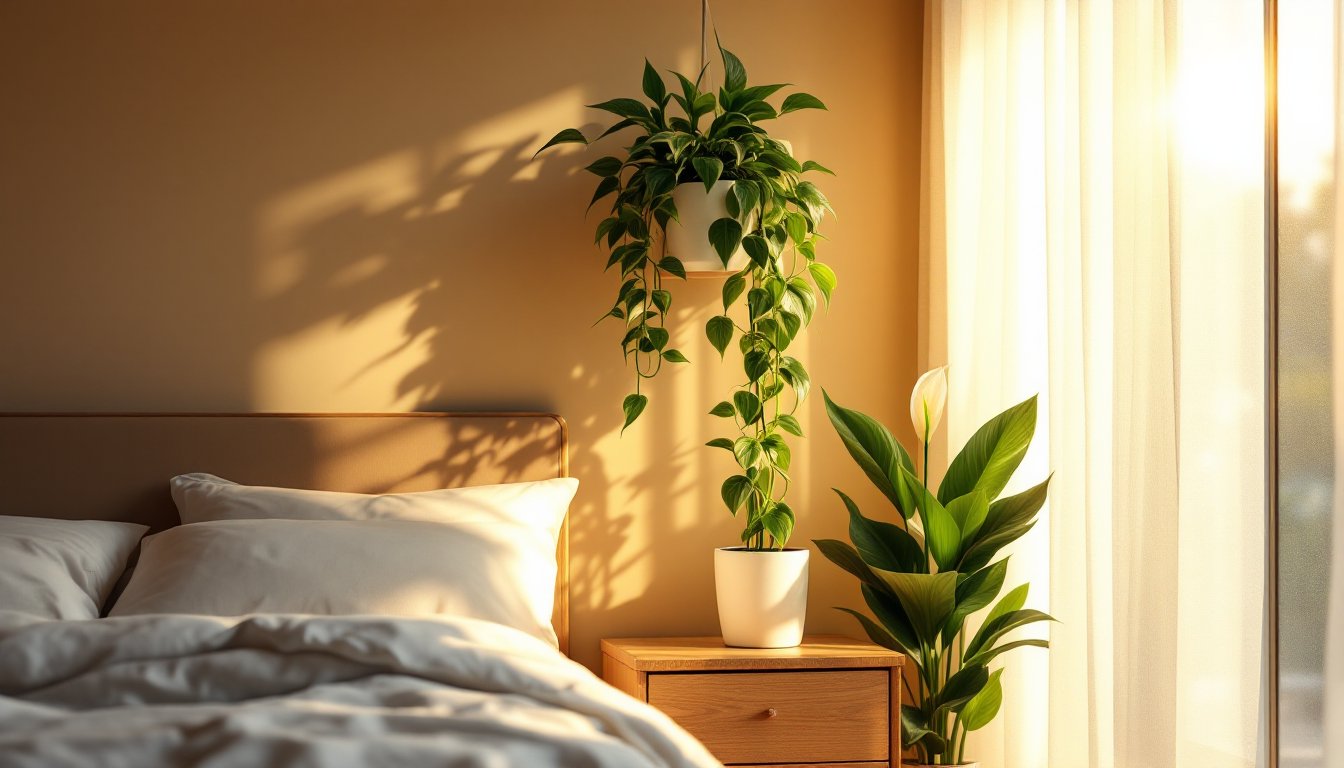
ToggleA bedroom should be a sanctuary, a place to rest, recharge, and disconnect from the day’s chaos. But here’s something many homeowners overlook: the air quality in that space directly affects sleep quality. Bedroom plants do more than fill a corner with green: they actively improve air quality by filtering toxins and releasing oxygen while you sleep. Whether someone struggles with dry indoor air, wants cleaner breathing space, or simply craves living decor, the right plants transform a bedroom from functional to genuinely restorative. The challenge isn’t whether to add plants, it’s choosing the right ones. This guide walks through seven proven bedroom plants that require minimal fuss while delivering maximum benefits, all backed by real growing conditions and practical care.
Key Takeaways
- Good plants for bedroom actively improve air quality by absorbing carbon dioxide, removing toxins like formaldehyde and benzene, and releasing oxygen while you sleep.
- Snake plants and pothos are the easiest-to-maintain bedroom plants, thriving in low light and requiring minimal watering, making them ideal for beginners.
- Peace lilies and areca palms add humidity to dry indoor air while filtering VOCs, creating both a healthier breathing environment and a more visually appealing space.
- Proper bedroom plant care focuses on choosing the right pot size, watering by soil feel rather than schedule, and wiping leaves monthly to maximize air-purifying efficiency.
- Spider plants are practically foolproof and pet-safe, while naturally producing baby plantlets that let you expand your bedroom plant collection at no extra cost.
Why Plants Belong In Your Bedroom
Most people spend about eight hours a night in their bedroom, more time than anywhere else in the house. During those hours, the air quality in that enclosed space matters enormously. Houseplants absorb carbon dioxide and release oxygen, which supports deeper, more restful sleep. Beyond oxygen production, certain plants act as natural air filters, removing volatile organic compounds (VOCs) like formaldehyde, xylene, and benzene that off-gas from furniture, paint, and textiles.
A 1989 NASA study on plant-based air purification found that specific houseplants could remove up to 87% of toxins from a sealed chamber within 24 hours. While a bedroom isn’t hermetically sealed, the principle holds: plants meaningfully improve indoor air. Also, plants add humidity to dry winter air, a genuine benefit for skin and respiratory health. They also create a calming visual environment, which psychological research ties directly to reduced anxiety and better sleep onset.
The key is choosing plants that thrive in low to medium light and don’t demand constant attention. A fussy plant that stresses you out defeats the purpose. The following selections are forgiving, air-cleaning, and naturally suited to bedroom conditions.
Snake Plant: The Low-Maintenance Air Purifier
The snake plant (Sansevieria trifasciata) is arguably the most bedroom-friendly plant available. It’s nearly impossible to kill, tolerates neglect, and thrives in low light, exactly what a bedroom offers. It produces oxygen at night rather than day, making it a rare plant that actively improves nighttime air quality.
Snake plants grow in upright, architectural forms, from dwarf 12-inch varieties to specimens reaching 4 feet. They prefer well-draining soil and minimal water: let the soil dry completely between waterings, roughly every two to three weeks depending on season. Overwatering is the only real threat. A 6-inch pot in a corner or on a nightstand takes months to outgrow its space.
On the care side, snake plants handle any light level from bright indirect to near-total shade. They’re equally at home in drafty windows or interior corners. No pests bother them, no special feeding is needed beyond annual spring fertilizer, and they rarely require pruning. If someone kills every plant they’ve ever owned, start with a snake plant. It’s a confidence builder and a genuine air-cleaning workhorse.
Pothos: The Trailing Vine That Cleans The Air
Pothos (Epipremnum aureum), also called devil’s ivy, is second only to the snake plant in terms of low-maintenance resilience. This trailing vine adjusts to virtually any light condition and develops lush growth with minimal intervention. It’s excellent for hanging baskets, shelves, or trained up a trellis above a dresser.
Pothos actively removes formaldehyde, benzene, and xylene from air, making it a top choice for bedrooms near synthetic furniture or carpet. It grows quickly under normal conditions, so pruning to control size is simple. Snip stems with a clean knife, and those cuttings root in water in just two weeks, multiplying your collection.
Water pothos when the top inch of soil feels dry to the touch, usually weekly or every 10 days. Let water drain fully: sitting in soggy soil invites root rot. Variegated varieties like golden pothos add visual interest without demanding extra care. It’s virtually pest-free and tolerates irregular watering. Trailing from a high shelf or corner makes pothos both functional and decorative, it’s a plant that actually improves a room’s visual balance while cleaning the air.
Peace Lily: Elegance With Humidity Control
The peace lily (Spathiphyllum wallisii) brings both visual elegance and functional humidity to a bedroom. Tall, dark green leaves topped with white flowers create a sophisticated look, and the plant actively humidifies surrounding air, a genuine bonus in dry climates or winter heating seasons.
Peace lilies prefer medium, indirect light and will notify you clearly when thirsty: leaves droop visibly within a day or two of drying out. That drooping looks alarming but isn’t harmful: a good watering revives them within hours. They prefer consistently moist soil (not soggy) and benefit from humidity. Mist leaves weekly or set the pot on a pebble tray with water beneath it. The water evaporates, raising humidity around the plant without waterlogging roots.
Peace lilies release moisture through transpiration as they grow, improving air humidity by 3–5% in a bedroom. They’re also one of the few houseplants that tolerate very low light, making them ideal for bedrooms without bright windows. Mature plants reach 2–4 feet, depending on variety. They flower on their own schedule indoors, adding unexpected beauty without fussy care.
Spider Plant: Beginner-Friendly And Resilient
The spider plant (Chlorophytum comosum) is practically synonymous with resilience. It grows quickly, produces dangling baby plants (plantlets), and tolerates a wider range of conditions than most houseplants. Bright, variegated varieties like ‘Vittatum’ add visual texture without demanding perfection.
Spider plants prefer bright, indirect light but adjust to medium light. They’re efficient at removing formaldehyde and xylene, making them solid air-cleaning partners for bedrooms. Water when the top inch of soil dries: they’re forgiving if you forget. The bonus: babies form naturally on long stems, creating trailing interest and free propagation material. Pot the plantlets in soil once they’re 1–2 inches long, and within weeks, they’re rooted and growing.
Spider plants rarely face pest issues and don’t require feeding more than once a year. They’re also pet-safe, unlike many other options. Hang one from a bracket above a nightstand or set a potted specimen on a shelf. They’re nearly foolproof, ideal for anyone building plant confidence in their bedroom.
Areca Palm: Tropical Oxygen Booster
The areca palm (Dypsis lutescens) is the air-purifying powerhouse. Studies show it removes formaldehyde, xylene, and toluene more efficiently than many peers, and it produces tremendous amounts of oxygen relative to its size. It’s an excellent choice for larger bedrooms or anyone serious about air quality improvement.
Areca palms grow tall and tropical, reaching 5–8 feet indoors, so they’re best suited to bedrooms with space. They prefer bright, indirect light and consistent moisture: allow the top inch of soil to dry between waterings. They appreciate humidity, so misting weekly or grouping with other plants helps them thrive. Without adequate humidity, leaf tips brown slightly, but growth continues.
Feeding monthly during the growing season (spring and summer) accelerates growth. Mature palms develop a graceful, layered canopy that fills a corner beautifully. They’re slower to establish than pothos or spider plants, but patience pays off: a healthy areca palm transforms air quality more dramatically than smaller specimens. They also tolerate bedroom temperatures well (65–75°F). For bedrooms with room and natural light, an areca palm is a high-value, long-term investment.
Essential Care Tips For Bedroom Plants
Regardless of plant type, several care principles apply across the board. First: choose the right pot size. A container only 1–2 inches larger than the root ball prevents overwatering, the leading cause of indoor plant death. Holes in the bottom are non-negotiable: they ensure drainage. Use quality potting soil, not garden soil, which compacts and holds too much moisture indoors.
Second: water by feel, not schedule. Bedroom humidity, light, and seasonal temperature changes all affect soil drying speed. Stick a finger an inch into soil: if it’s dry, water. If it’s moist, wait. Most bedroom plants prefer drying slightly between waterings, a margin of safety against root rot.
Third: rotate plants quarterly. Bedrooms often have light concentrated from a single window. Rotating growth toward balanced light prevents lopsided, leggy specimens. Fourth: be patient with new plants. After repotting or moving to a bedroom, plants often experience minor leaf drop or slow growth for a few weeks. That’s acclimation, not failure. Consistent light, water, and temperature stabilize them within a month.
Finally, wipe leaves monthly with a soft, damp cloth. Dust accumulates on leaves and clogs pores, reducing air-cleaning efficiency. This 30-second task doubles a plant’s effectiveness and keeps foliage vibrant. Start simple, choose one or two plant types, and build from there.