
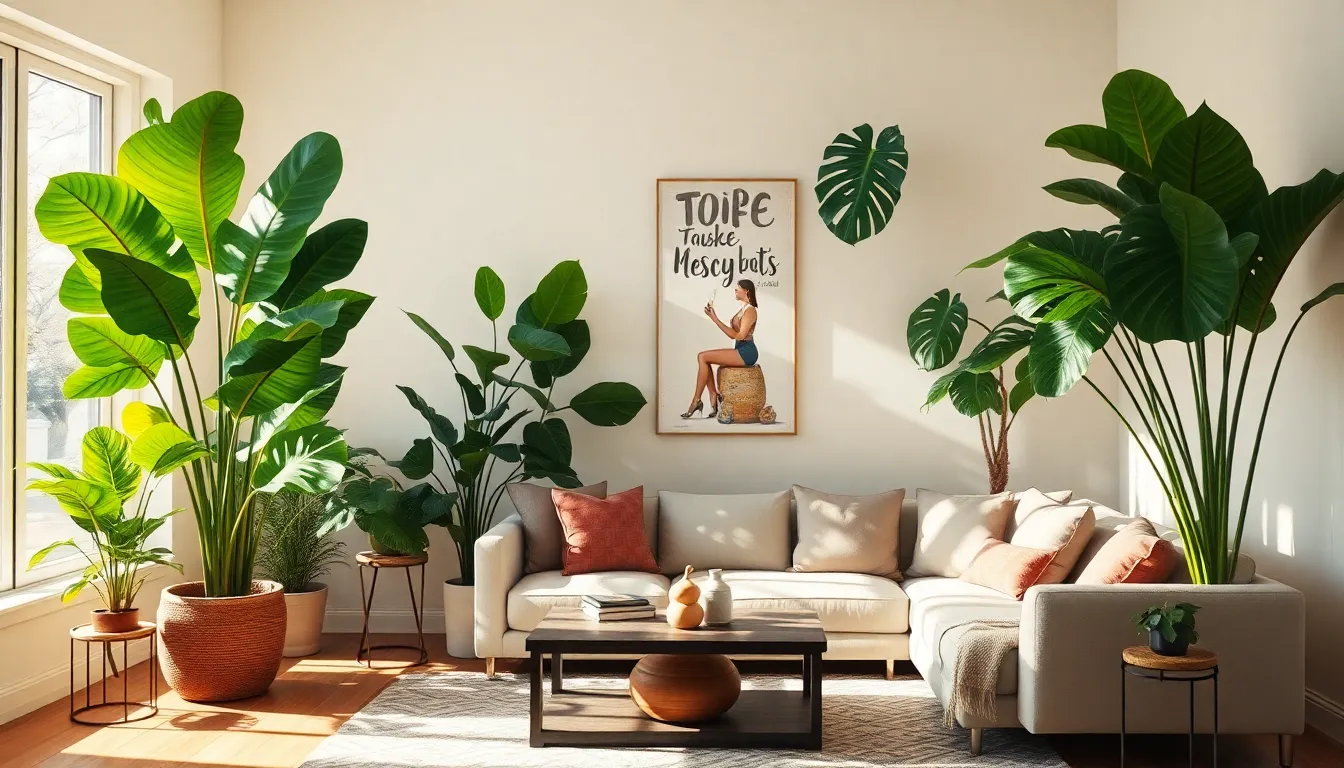
You scroll through Pinterest, Instagram, or your favourite design blogs and feel inspired. The rooms look warm, inviting, perfectly styled — and achievable. So you buy the décor, paint the walls, maybe even upgrade your flooring. But when everything is finally in place, something feels… off. The space doesn’t look anything like the photos that sparked the idea. It feels flatter, less cohesive, or missing that effortless “wow” factor you expected. Sometimes the issue is lighting. Sometimes it’s scale. And sometimes, it’s simply that features like French oak floors look different in real homes than in perfectly staged online setups.
If your interior updates felt promising online but disappointing in reality, here are the real reasons — and what to do differently next time.
1. Online Rooms Are Styled for One Perfect Photo
Most inspirational images aren’t designed as liveable spaces — they’re built for the camera. Items are moved out of frame, lighting is manipulated, and angles are chosen to exaggerate depth and spaciousness.
In real life, you don’t see:
- The clutter removed minutes before the photo
- The dozen lights angled to eliminate shadows
- The tripod height chosen to make ceilings look taller
- The furniture pulled away from walls to create better composition
When you compare your real home to a staged photo, you’re not comparing like-for-like.
What to do instead:
- Focus on how a room feels, not how it photographs
- Use inspiration pictures as guiding themes, not exact templates
This takes the pressure off “matching” a look that wasn’t entirely real to begin with.
2. Your Room Has Different Lighting Conditions
Lighting is one of the biggest reasons a room looks different from what you envisioned. The colour temperature, angle of natural light, and even shadows on the floor can completely change how décor appears.
Online rooms benefit from:
- Soft, diffused daylight
- Edited brightness and warmth
- Zero overhead glare
- Perfectly timed photography sessions
Meanwhile, your home deals with cloud cover, window orientation, harsh bulbs, and unpredictable shadows.
How to improve your space:
- Swap harsh white bulbs for warm-toned LEDs
- Add table lamps and floor lamps to soften the room
- Avoid relying solely on ceiling lights
- Use mirrors to bounce natural light into darker corners
Lighting doesn’t just brighten a space — it elevates it.
3. The Scale of the Furniture Doesn’t Match Your Room
A common mistake is falling in love with pieces online without considering how they’ll fit at home. Even beautiful décor can look awkward if the scale is off.
Signs the scale is wrong:
- A rug that’s too small for the seating area
- Artwork that looks tiny on a large wall
- Oversized furniture making the room feel cramped
- Small lamps getting lost on big side tables
Online rooms always get scale right — or they simply hide what doesn’t fit.
Fix it by:
- Measuring before buying
- Choosing rugs big enough to anchor the space
- Selecting artwork that matches wall proportions
- Ensuring walkways remain open and comfortable
Correct scale instantly makes a room feel more premium.
4. You Didn’t Account for the Tones of Existing Materials
One of the fastest ways an interior update falls flat is by overlooking undertones — especially in large, fixed surfaces like flooring, benchtops, or cabinetry.
If you have features like french oak floors, pairing them with décor that clashes in undertone can create subtle visual tension.
Example:
- Warm flooring + cool grey décor = slightly “off” look
- Natural timber tones + stark white pieces = disjointed feel
What to do:
- Identify whether your main materials lean warm, cool, or neutral
- Choose décor that complements rather than competes
- Use natural textures (linen, stone, timber) for easy harmony
When undertones align, the whole room instantly looks better.
5. The Décor Looked Luxurious Online — But Is Trend-Heavy in Reality
Some designs look incredible in photos but don’t translate well into everyday homes. Certain trends are designed to be eye-catching for social media, not sustainable long-term.
Common examples:
- Fast-fashion décor (cheap ceramics, glossy MDF pieces)
- Overly busy patterns that overwhelm in real rooms
- Ultra-minimalist setups that look cold or empty at home
What looks artistic online can feel impractical or flat in normal lighting.
Try this instead:
- Choose timeless foundational pieces
- Add trend pieces sparingly
- Prioritise quality textures over flashy shapes
Timeless décor always performs better in real spaces.
6. You Tried to Recreate Too Many Inspiration Images at Once
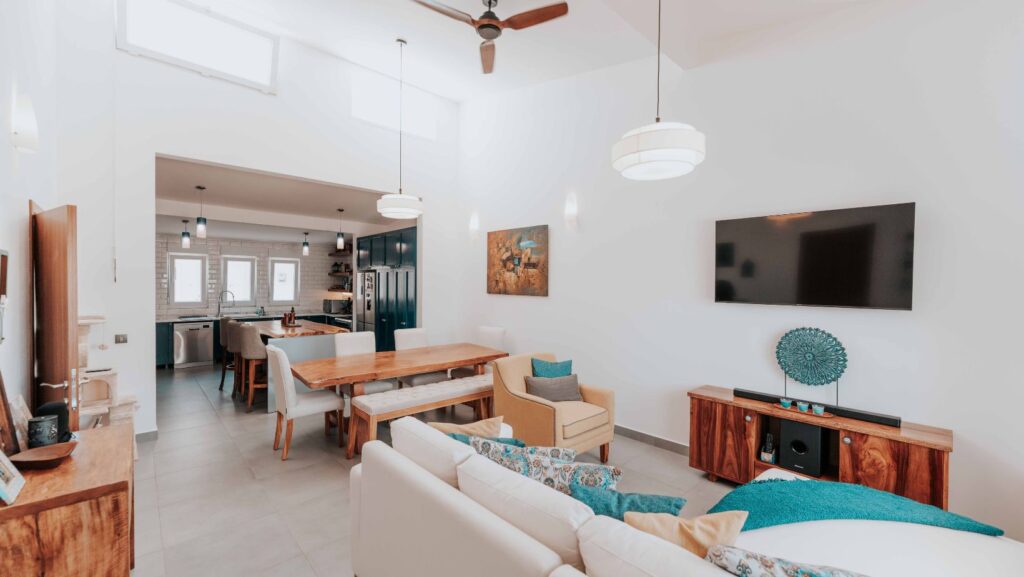
It’s easy to save 20 photos you love — and then accidentally combine them all. This creates style conflict.
What happens:
- Coastal meets industrial
- Minimalism meets vintage
- Warm tones meet cool tones
- Rustic meets hyper-modern
The result? A room that looks confusing instead of cohesive.
Fix it with one simple rule:
Choose ONE primary style and ONE secondary style.
Let everything else complement those two anchors.
Your Home Isn’t a Photoshoot — And That’s a Good Thing
Your space is meant to be lived in, not staged. The goal isn’t to compete with filtered inspiration photos — it’s to create a home that feels warm, cohesive, and authentically yours. When you pay attention to scale, lighting, undertones, and how pieces work together, your interior updates will finally match the vision you had in mind.
And the best part? A beautifully designed room in real life feels far better than anything you’ll see online.