
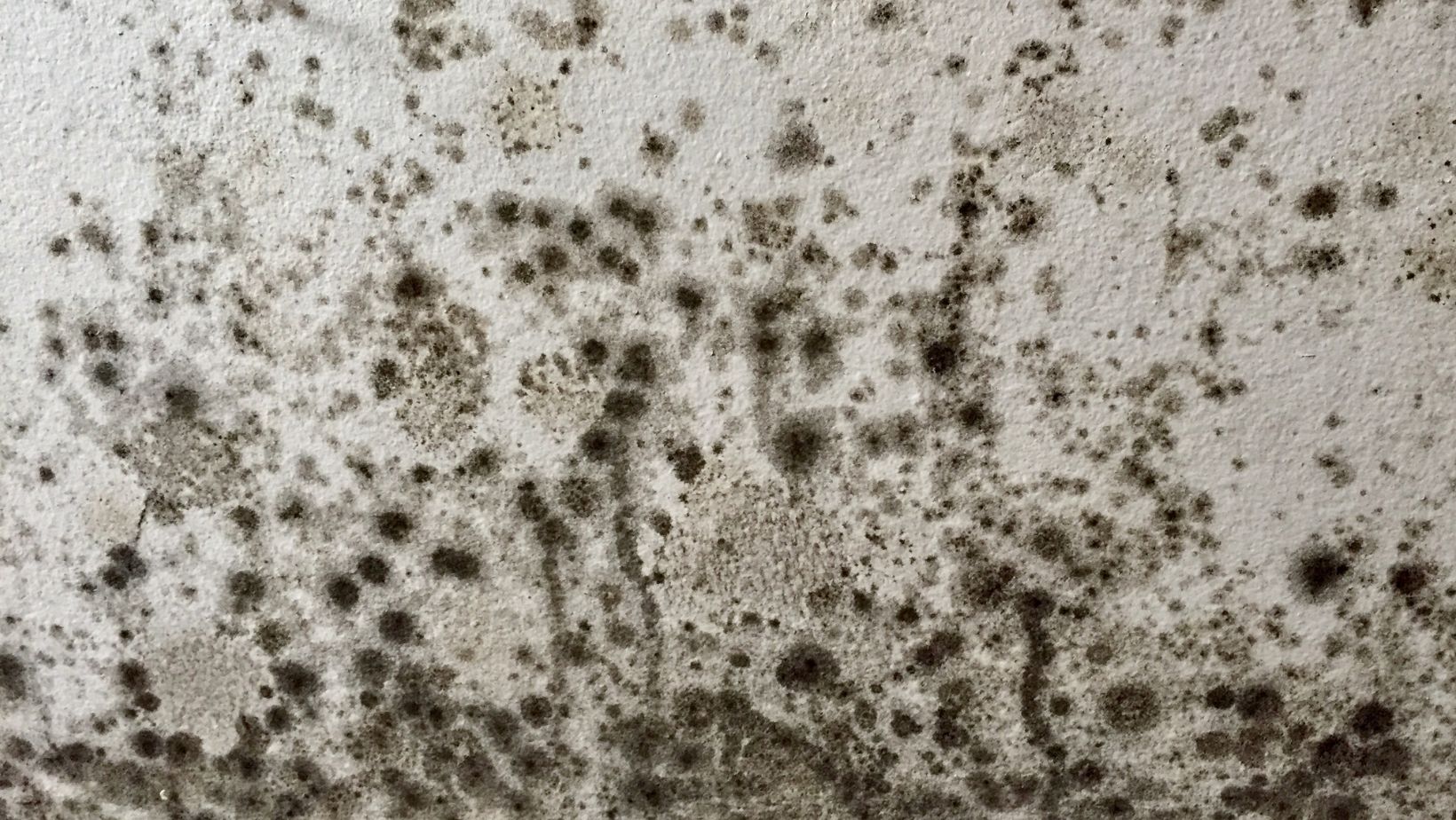
Mould always seems to appear suddenly — a musty smell, a few dark spots on the ceiling, or patches forming in corners you rarely look at. But mould doesn’t actually grow overnight. It slowly develops in damp, poorly ventilated environments, often long before you notice the first signs. By understanding what causes mould and taking preventative steps early — whether through better airflow, simple daily habits, or using practical tools like condensate pumps — you can stop the problem before it ever takes hold.
The best defence against mould is prevention. Once mould appears, the problem becomes harder (and more expensive) to fix. But with a few small adjustments, you can keep your home dry, clean, and healthy all year round.
Understand What Mould Needs to Grow
Mould thrives in environments where three things are present: moisture, warmth, and still air. Remove any one of those elements, and the mould becomes much harder to develop.
The biggest culprit is moisture — specifically, moisture that hangs around longer than it should. This can happen from:
- Steam in bathrooms
- Leaks in plumbing or roofing
- Poor ventilation
- Humid climates
- Condensation from appliances
- Damp basements or storage rooms
When moisture doesn’t dry quickly, mould spores have the perfect conditions to activate.
Improve Airflow Throughout Your Home
Stagnant, unmoving air is mould’s best friend. Simple airflow adjustments can make a huge difference in preventing growth.
Try:
- Opening windows for short periods each day
- Using ceiling fans or portable fans to circulate air
- Keeping interior doors slightly open to improve cross-ventilation
- Allowing wardrobes and cupboards to “breathe” rather than sealing them tightly
Good airflow helps moisture evaporate instead of settling into walls, carpets, or furniture.
Monitor and Reduce Humidity Levels
Humidity isn’t just uncomfortable — it fuels mould growth. Indoor humidity above 60% makes mould far more likely to form. You don’t need expensive equipment to start reducing it; small changes add up.
Helpful strategies include:
- Running exhaust fans while cooking or showering
- Using a dehumidifier during humid seasons
- Drying clothes outdoors when possible
- Avoiding large amounts of indoor plants in small rooms
- Keeping lids on boiling pots
A simple humidity monitor can show you which rooms need extra attention.
Prevent Dampness From Appliances and HVAC Systems
Many people don’t realise how much moisture appliances create. Air conditioners, heaters, dryers, and fridges all produce condensation. If that water isn’t drained properly, it can pool and feed mould in hidden places.
This is where practical solutions like ensuring proper drainage or using tools such as condensate pumps can make a big difference, especially for appliances installed in areas without gravity-fed drainage.
Check these common trouble spots:
- Behind fridges
- Under air conditioning units
- Inside laundry rooms
- Behind dishwashers
- Near hot water systems
Fixing drainage issues early can prevent years of hidden mould growth.
Keep Bathrooms and Kitchens Dry After Use
Bathrooms and kitchens deal with water constantly, making them prime areas for mould. But a few post-use habits can drastically reduce moisture.
Try these quick routines:
- Wipe down wet surfaces after showering
- Keep shower screens and curtains open to dry faster
- Run exhaust fans for at least 10–15 minutes after showers
- Use a squeegee on tiles and glass
- Leave the bathroom door ajar to improve airflow
In the kitchen:
- Use the range hood when cooking
- Wipe spills immediately
- Avoid letting wet cloths or sponges sit for hours
These small habits prevent moisture from lingering.
Find and Fix Leaks Early (Even Tiny Ones)
Leaks are one of the biggest causes of mould — not because they’re dramatic, but because they’re often unnoticed for long periods. A drip you ignore today can become a mould patch in a few weeks.
Inspect these areas regularly:
- Under sinks
- Around toilets
- Behind washing machines
- Around windows after rain
- In corners of basements or garages
- Beneath air conditioning units
If something looks damp, discoloured, or smells musty, it’s a sign moisture is already present.
Don’t Let Items Sit Damp for Too Long
Damp towels, clothing, rugs, or carpets can develop mould surprisingly fast, especially in humid conditions.
Avoid leaving:
- Wet laundry in the machine
- Towels piled in corners
- Damp mats sitting on the floor
- Spills soaking into carpets
Dry items promptly, and consider rotating mats or rugs regularly to let the floor underneath breathe.
Use Materials and Finishes That Resist Moisture
Some materials handle moisture better than others. If you’re renovating or upgrading areas prone to dampness, choose options that reduce mould risk.
These include:
- Waterproof paints or sealants
- Mould-resistant drywall in bathrooms
- Easy-to-clean tiles
- Ventilated cabinetry
- Moisture-resistant flooring
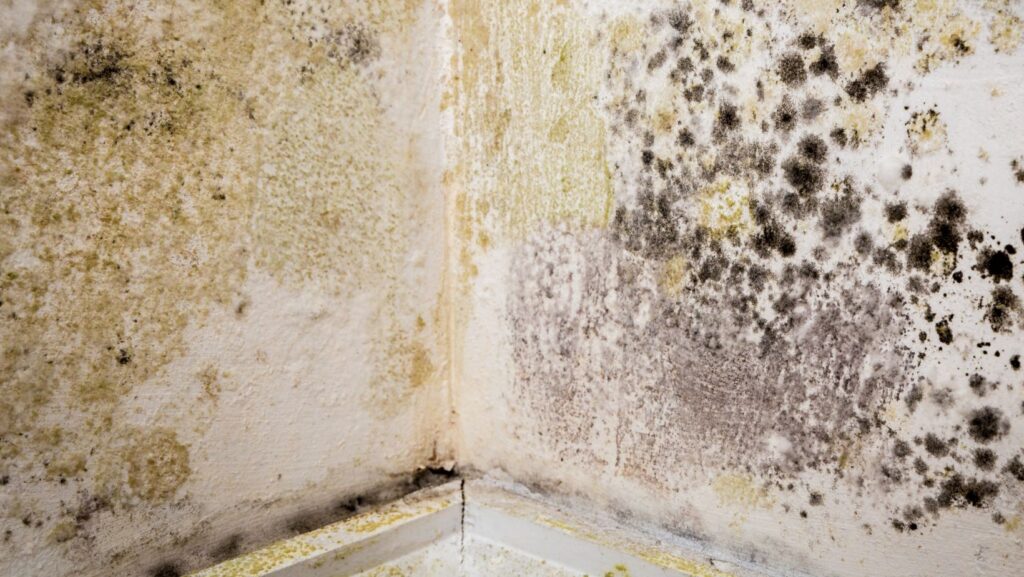
These choices help prevent mould from taking hold behind the scenes.
Mould prevention isn’t about harsh chemicals or constant cleaning — it’s about managing moisture, improving airflow, and paying attention to the small signs. When you keep surfaces dry, encourage ventilation, and address dampness early, mould has very little chance to grow. A few simple habits today can save you from major mould problems tomorrow, keeping your home fresher, healthier, and far more comfortable.